

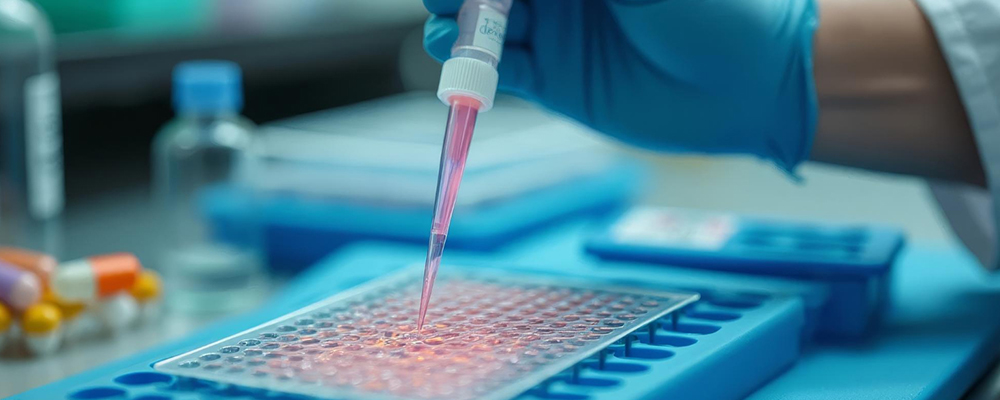
Chromatography is widely used in pharmaceutical research, chemical analysis and quality control to separate, identify and evaluate individual compounds within complex mixtures. The reliability of these processes depends on several factors, including solvent selection, sample preparation, separation conditions and analytical method requirements. Methylene Dichloride (MDC), also known as Dichloromethane (DCM), is an organic solvent used in selected chromatographic applications because of its solvency, volatility and ability to dissolve a range of organic compounds.
From preparing samples for analysis to supporting separation and purification, MDC can contribute to different stages of chromatographic workflows. However, its suitability depends on the analytical technique, the properties of the compounds being studied and the quality requirements of the application.
Understanding Methylene Dichloride in Chromatographic Analysis
Methylene Dichloride has the chemical formula CH₂Cl₂. It is a colourless, volatile liquid with a boiling point of approximately 40°C. Its solvent characteristics make it useful for dissolving certain organic compounds and recovering them from mixtures before further analysis.
In chromatography, the choice of solvent influences how compounds dissolve, move through a separation system and interact with the stationary phase. MDC can be particularly useful when working with organic substances that are not readily soluble in other solvents.
Its role should nevertheless be assessed according to the method being used. A solvent that performs well during sample extraction may not necessarily be suitable as a mobile phase or injection solvent for every chromatographic technique.
The Role of MDC in Sample Preparation
Sample preparation is an important stage in chromatographic analysis. Samples often contain several components, including the target compound, impurities and other substances that may interfere with detection or separation.
MDC can support sample preparation in applications where its solvent properties are appropriate.
1. Dissolving Organic Compounds
MDC can dissolve a range of organic substances, helping prepare samples for subsequent analysis. This is useful when the target compound has limited solubility in alternative solvents.
2. Liquid Liquid Extraction
In suitable extraction systems, MDC can help transfer selected compounds from an aqueous phase into an organic phase. Its limited miscibility with water allows the phases to separate under appropriate conditions, facilitating the recovery of target substances.
3. Removing Unwanted Components
Sample preparation may involve separating a compound of interest from interfering substances. MDC can be used in extraction or washing steps where its selectivity and compatibility with the sample make it appropriate.
4. Preparing Samples for Further Analysis
After extraction, samples may require concentration, solvent exchange or additional purification before chromatographic analysis. MDC’s relatively low boiling point can facilitate solvent removal, although the process must be controlled to avoid losing volatile analytes or degrading sensitive compounds.
The suitability of MDC at this stage depends on analyte stability, solubility, extraction efficiency and the requirements of the analytical method.
Applications Across Chromatographic Techniques
MDC has different roles across chromatographic techniques. Its use depends on the separation mechanism, instrument configuration and compatibility requirements.
1. Thin Layer Chromatography (TLC)
In TLC, MDC may be included in the mobile phase to adjust solvent strength and influence the movement of compounds across the stationary phase. It is often used in solvent mixtures to achieve suitable separation between components.
The solvent composition affects retention and resolution. Researchers may therefore evaluate different proportions of MDC and other compatible solvents to obtain clearer separation, depending on the compounds under investigation.
2. High Performance Liquid Chromatography (HPLC)
The use of MDC in HPLC requires careful assessment of the method and instrument. It is not a universal substitute for commonly used mobile phase solvents such as methanol or acetonitrile.
In specialised methods, its solvency may be relevant to sample preparation or particular separation requirements. However, solvent compatibility with the column, seals, tubing, detector and mobile phase must be established before use. Its suitability also depends on the analytical method and applicable instrument limitations.
3. Preparative Chromatography
Preparative chromatography aims to isolate compounds for further research, development or processing. MDC may be useful in suitable separation or recovery workflows because it can dissolve selected organic compounds and evaporate relatively easily.
After collecting a fraction, controlled solvent removal can help recover the target material. The process should account for compound stability, residual solvent requirements and potential losses during evaporation.
4. Gas Chromatography (GC)
MDC may be used as a sample solvent in certain GC methods, subject to the analytical conditions and instrument requirements. Its volatility can be useful, but the solvent peak, detector response and potential interference with analyte measurement must be considered.
The choice of injection solvent should be based on the validated method rather than boiling point alone.
How Solvent Quality Influences Chromatographic Results
Solvent quality can affect analytical reliability, particularly when chromatography is used for pharmaceutical testing, impurity profiling or research involving trace-level compounds.
Important considerations include:
• Purity: Unwanted impurities may interfere with the analysis or introduce additional peaks.
• Water content: Moisture can influence solvent behaviour and affect methods sensitive to water.
• Consistency: Variations between batches may contribute to differences in sample preparation or analytical performance.
• Documentation: Product specifications and Certificates of Analysis (CoAs) help laboratories evaluate incoming solvent quality and maintain records.
• Application suitability: The required solvent grade depends on the intended use and the method’s acceptance criteria.
Pharmaceutical laboratories should establish appropriate incoming material checks and select solvent grades according to their analytical and regulatory requirements. A pharmacopeial designation should not automatically be interpreted as proof that a solvent meets every specialised chromatographic requirement; the relevant specifications must be reviewed.
Safe Handling and Storage of MDC
MDC requires careful handling because exposure to its vapour can present health risks. Laboratories should follow the relevant Safety Data Sheet (SDS), workplace procedures and applicable regulations.
Key precautions include:
• Handling MDC in a suitable fume hood or properly controlled ventilation system.
• Using appropriate personal protective equipment based on the risk assessment.
• Keeping containers tightly closed when not in use.
• Storing the solvent in suitable, compatible containers under the recommended conditions.
• Collecting and disposing of solvent waste through approved hazardous waste procedures.
Laboratories should also document solvent use where required and train personnel in safe transfer, storage and spill response procedures.
How Purosolv Supports Pharmaceutical Solvent Requirements
Reliable chromatographic workflows require more than selecting a solvent with suitable chemical properties. Laboratories must also consider product quality, batch consistency, documentation, regulatory expectations and continuity of supply.
Purosolv, a pharmaceutical solvent brand from DFPCL, offers pharma-grade Methylene Dichloride alongside Isopropyl Alcohol (IPA), Acetone and Methanol. Its solvent portfolio is aligned with relevant pharmacopeial standards, including IP, EP, BP, USP, CP and JP, as applicable to the product.
Purosolv’s focus on quality controls, product documentation and digital Certificate of Analysis support can help pharmaceutical and industrial customers assess solvent specifications and maintain material records. Its distribution network and compliance support are also relevant to organisations seeking dependable solvent supply and documentation for their quality systems.
For chromatographic applications, the appropriate MDC grade should always be selected against the method’s purity requirements, instrument compatibility and intended use. Reviewing these factors alongside supplier documentation helps laboratories make informed procurement decisions and support consistent analytical processes.
Conclusion
Methylene Dichloride can play a useful role in chromatography, particularly in sample preparation, liquid liquid extraction, selected TLC mobile phases and suitable preparative or GC workflows. Its solvency and relatively low boiling point offer practical advantages, but its effectiveness depends on the analyte, separation method, instrument compatibility and solvent quality.
Careful selection, appropriate handling and controlled analytical procedures are essential for reliable results. By offering pharma-grade MDC supported by quality controls and product documentation, Purosolv helps address important solvent sourcing and consistency considerations for pharmaceutical and industrial applications.
Frequently Asked Questions (FAQs)
1. What is Methylene Dichloride used for in chromatography?
MDC may be used in sample preparation, liquid liquid extraction, selected TLC mobile phases and certain preparative chromatography or GC workflows, depending on method requirements.
2. How does MDC support sample preparation?
Its solvent properties can help dissolve organic compounds, extract target substances from suitable mixtures and facilitate solvent removal before further analysis.
3. Can Methylene Dichloride be used in HPLC?
Its use in HPLC is method-specific. Compatibility with the column, instrument components, mobile phase and detector must be established before use.
4. Why does MDC purity matter in chromatographic analysis?
Impurities or variations in solvent quality may affect analytical results, introduce interfering signals or reduce reproducibility. Appropriate specifications and quality checks help manage these risks.
5. What should laboratories consider when sourcing pharma-grade MDC?
Laboratories should assess product specifications, relevant pharmacopeial requirements, analytical suitability, batch documentation, safe handling guidance and supply reliability. Purosolv offers pharma-grade MDC supported by quality and documentation capabilities.