


Crystallisation is an important purification and isolation step in pharmaceutical manufacturing. It can help manufacturers obtain APIs and pharmaceutical intermediates with the required purity, crystal form, particle characteristics, and other critical quality attributes. The choice of solvent can directly influence crystallisation behaviour and therefore requires careful consideration. Methanol is an organic solvent used in pharmaceutical […]
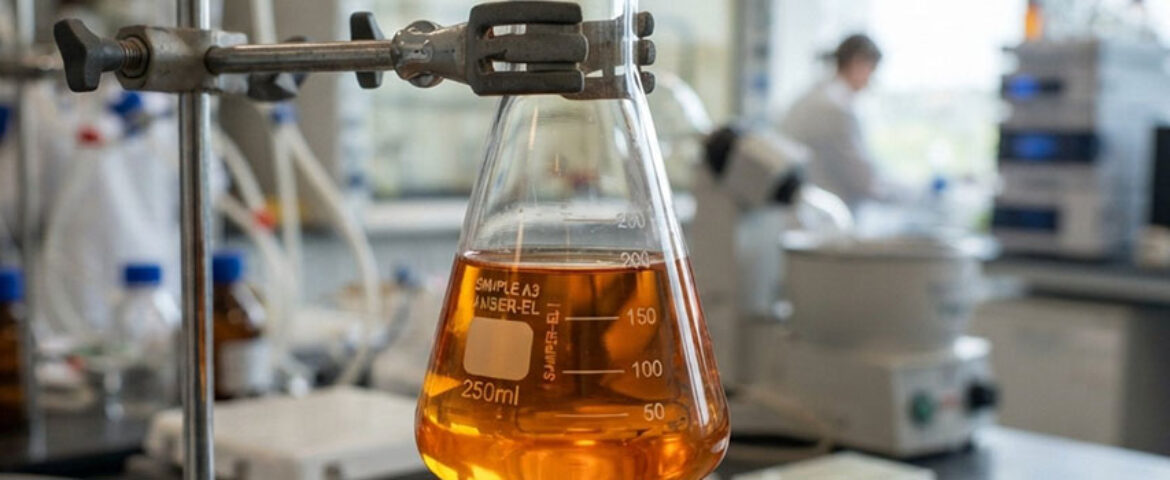
Acetone is an important organic solvent used across pharmaceutical manufacturing. It can support API manufacturing processes including extraction, purification, crystallisation, cleaning, and chemical synthesis. Its ability to dissolve a wide range of organic substances and its relatively rapid evaporation make it useful across different stages of pharmaceutical processing. However, selecting the right pharmaceutical-grade acetone is […]
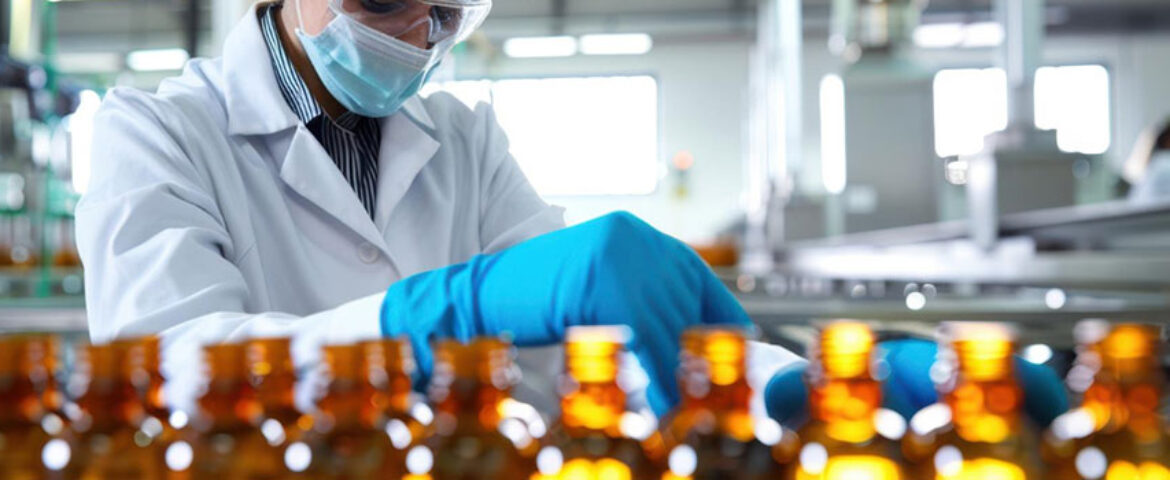
Dichloromethane (MDC), also known as methylene chloride, is an organic solvent used in pharmaceutical manufacturing and chemical processing. Its solvent properties make it useful in applications such as extraction, purification, synthesis, and other processing steps where an effective organic solvent is required. However, selecting the right pharmaceutical-grade dichloromethane is important to support process consistency, product […]
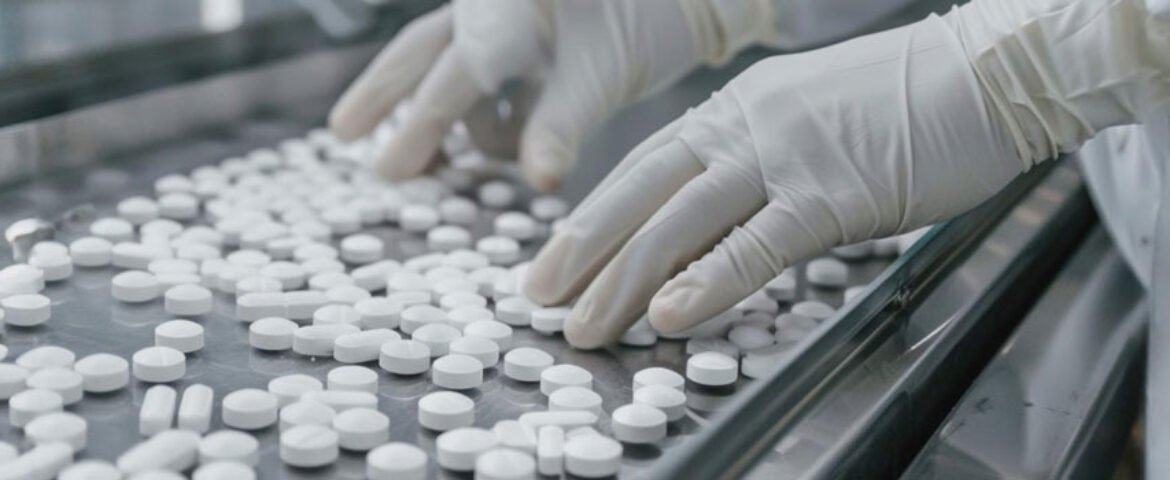
Isopropyl Alcohol (IPA) is an important processing solvent used in pharmaceutical tablet coating. It can help dissolve or disperse coating materials and, because of its relatively fast evaporation, support efficient drying during the coating process. IPA is used in different coating systems, including formulations where moisture exposure needs to be carefully controlled. However, selecting the […]

Acetone is one of the most widely used solvents in pharmaceutical manufacturing. It plays an important role in processes such as tablet coating, Active Pharmaceutical Ingredient (API) production, cleaning, and equipment sanitisation. However, not all acetone is suitable for pharmaceutical applications. Choosing the right pharmaceutical-grade acetone is essential for maintaining product quality, manufacturing consistency, and […]
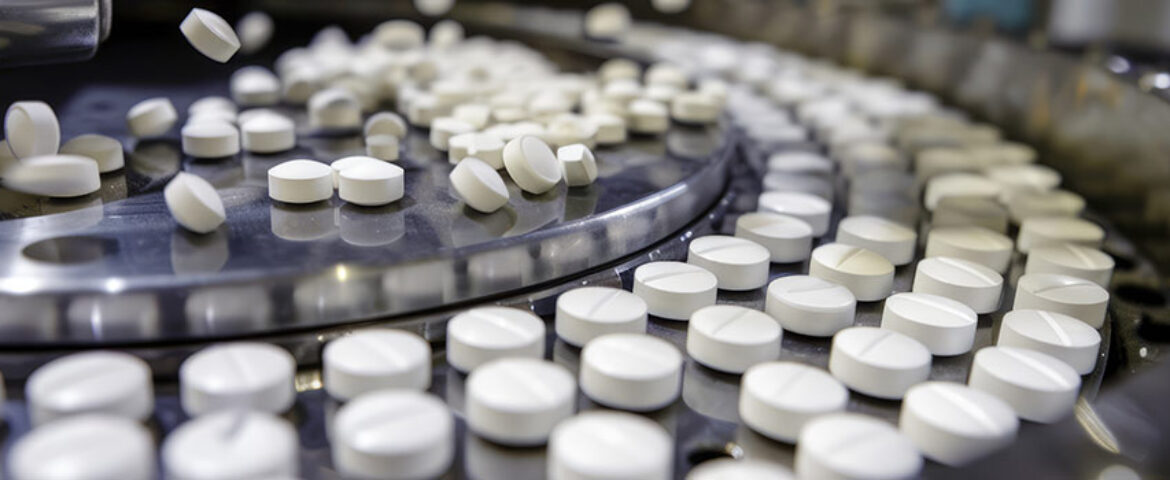
Tablet coating is a critical stage in pharmaceutical manufacturing. It improves product appearance, protects tablets from moisture and light, masks unpleasant taste, and can control how a medicine is released in the body. One of the most important yet often overlooked factors in the coating process is the choice of solvent. Isopropyl Alcohol (IPA) is […]
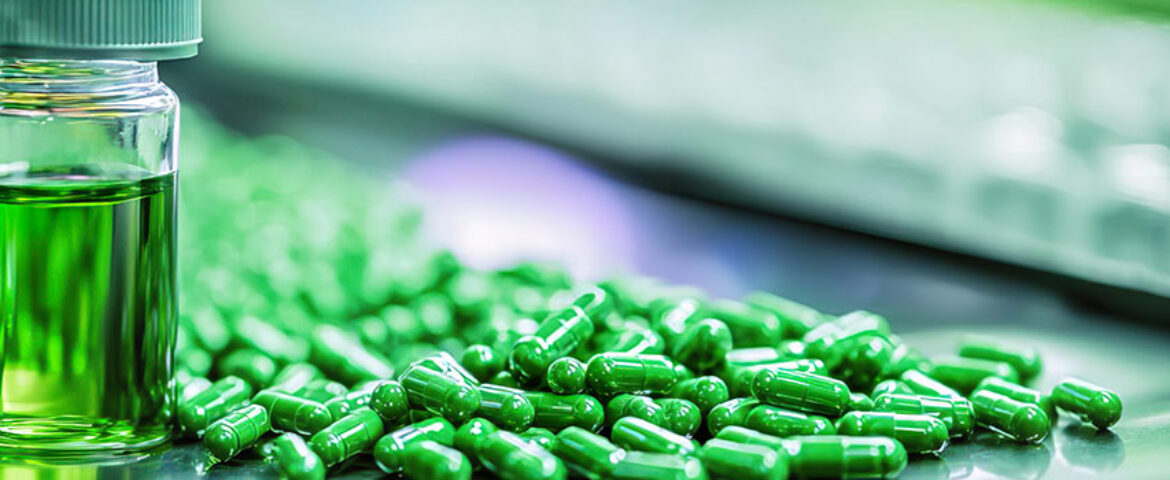
Dichloromethane (DCM), also known as Methylene Dichloride (MDC), is an important processing solvent used in pharmaceutical manufacturing. It is widely used in Active Pharmaceutical Ingredient (API) production, extraction, purification, and tablet coating because of its excellent solvency and rapid evaporation. When used under validated manufacturing conditions, high-quality pharmaceutical-grade Dichloromethane helps manufacturers achieve consistent process performance, […]
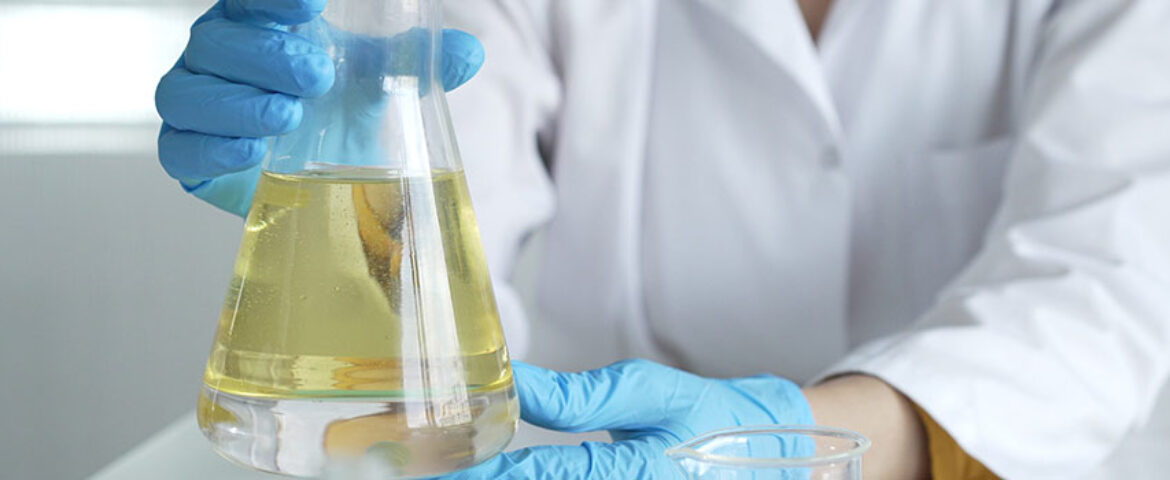
Methanol is an important processing solvent used in pharmaceutical manufacturing. It is commonly used in Active Pharmaceutical Ingredient (API) production, chemical synthesis, purification, extraction, and other manufacturing processes. However, selecting the right pharmaceutical-grade methanol is essential to ensure product quality, process efficiency, and regulatory compliance. Choosing a high-quality methanol supplier helps manufacturers achieve consistent production […]
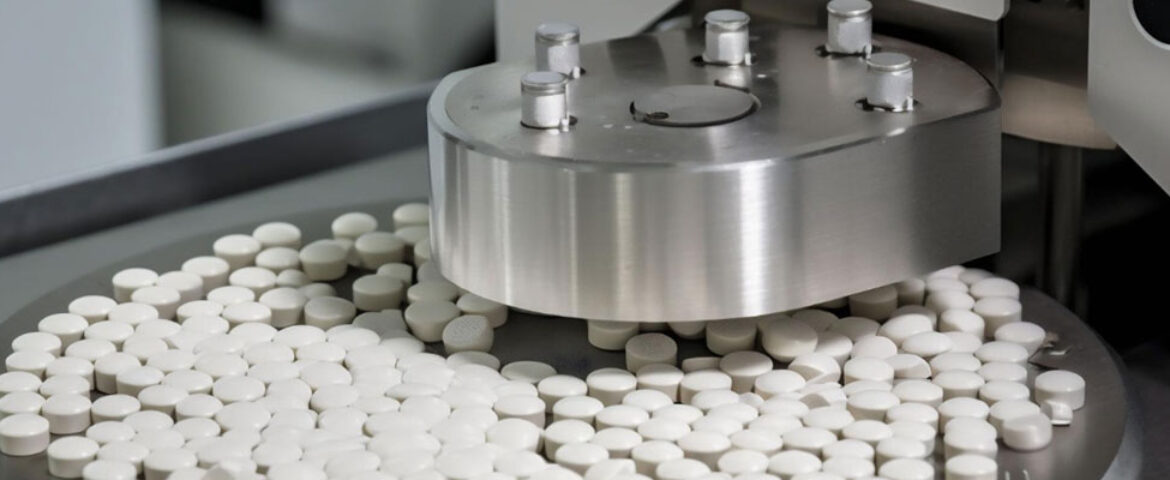
In pharmaceutical manufacturing, tablet coating is far more than a cosmetic finishing step; it plays a vital role in enhancing drug stability, protecting sensitive active ingredients, improving patient compliance, and enabling controlled drug release. Isopropyl Alcohol (IPA) is widely used in pharmaceutical tablet coating due to its excellent solvency, rapid evaporation rate, low moisture content, […]
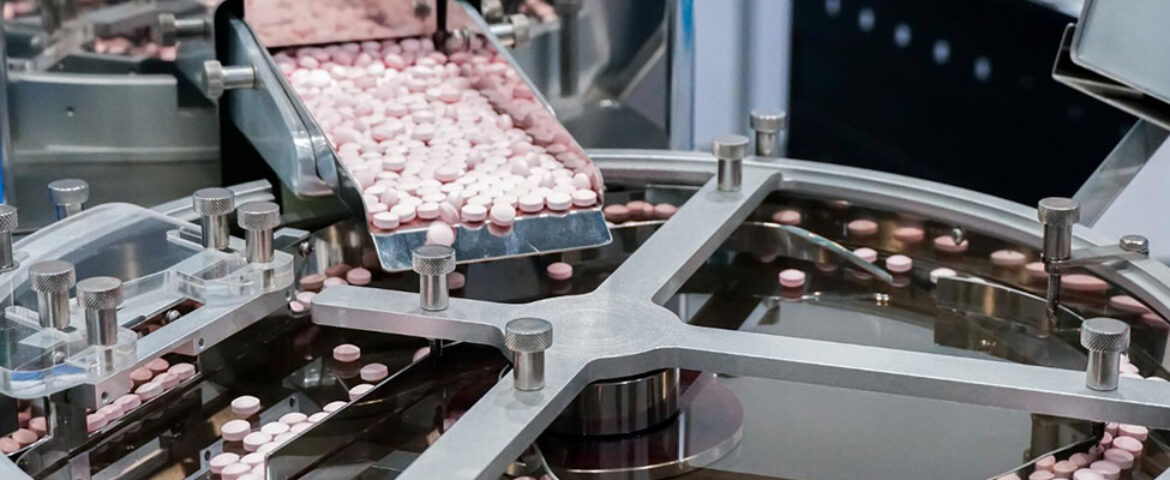
In pharmaceutical manufacturing, controlled-release tablet formulations are designed to release active pharmaceutical ingredients (APIs) at a predetermined rate over an extended period. Achieving the desired release profile requires careful control of formulation composition, polymer selection, coating uniformity, and manufacturing conditions. Solvents play an important role in controlled-release coating processes by dissolving or dispersing polymers and […]
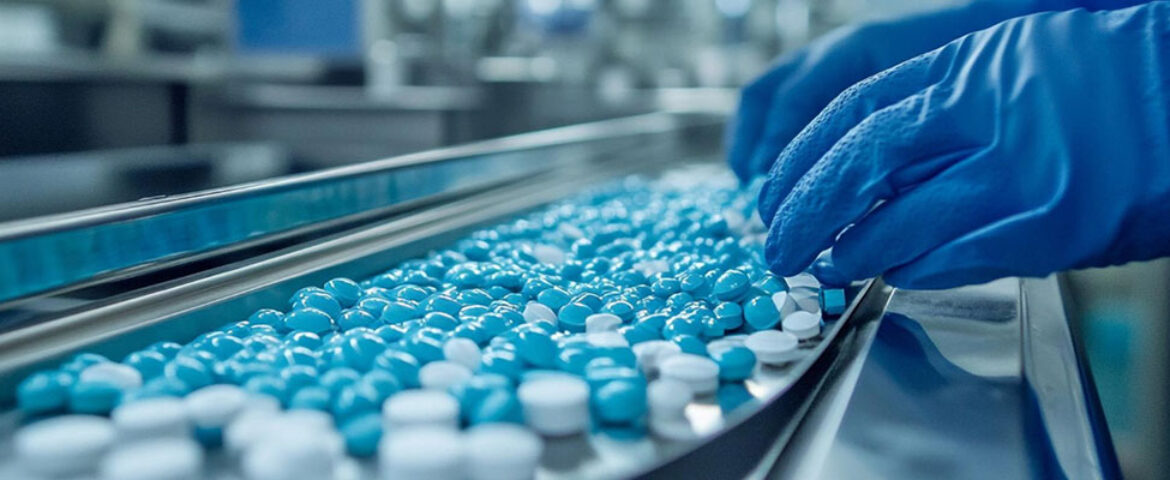
In pharmaceutical manufacturing, controlled-release tablet formulations are designed to release active pharmaceutical ingredients (APIs) at a predetermined rate over an extended period. These formulations can help maintain consistent drug concentrations, reduce dosing frequency, and improve patient convenience. The successful development and manufacture of controlled-release tablets depend on several factors, including polymer selection, formulation design, coating […]

In pharmaceutical manufacturing and laboratory analysis, methanol is a widely used solvent with applications ranging from analytical testing and sample preparation to API manufacturing, extraction, and purification processes. However, not all grades of methanol are designed for the same purpose. High-Performance Liquid Chromatography (HPLC)-grade methanol and pharma-grade methanol are manufactured and tested according to different […]
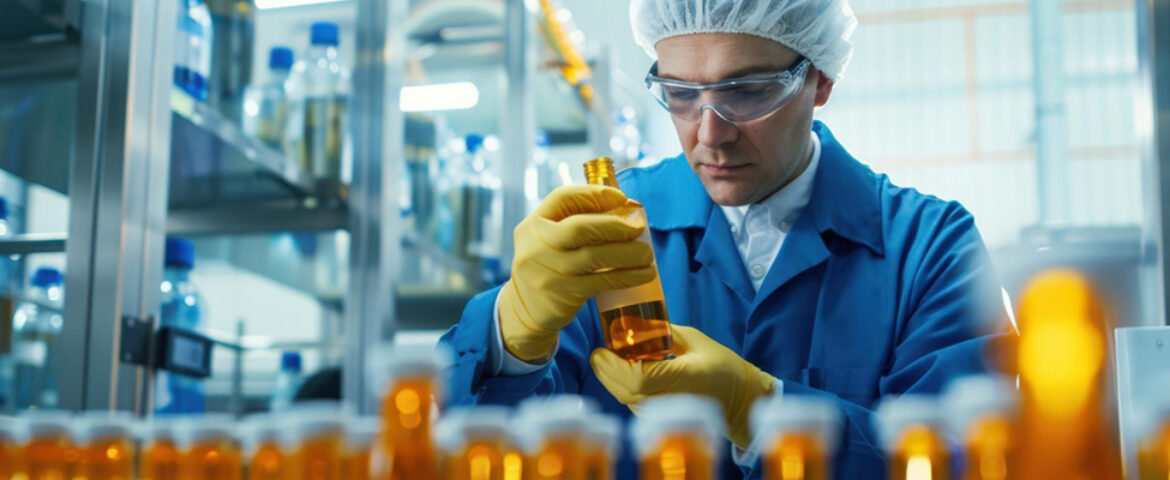
Active Pharmaceutical Ingredient (API) manufacturing is one of the most critical stages in pharmaceutical production. The purity, consistency, and quality of APIs directly influence the safety, efficacy, and regulatory compliance of finished pharmaceutical products. To achieve the required quality standards, pharmaceutical manufacturers rely on carefully selected raw materials, processing aids, and solvents throughout the manufacturing […]
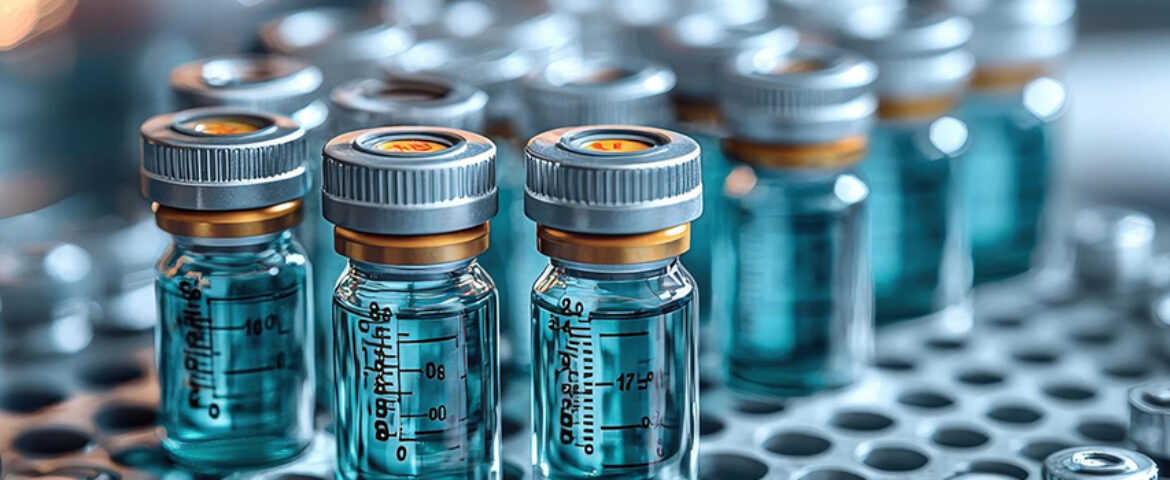
Good Manufacturing Practice (GMP) forms the foundation of pharmaceutical quality, ensuring that medicines are consistently produced and controlled according to established quality standards. Every aspect of pharmaceutical manufacturing, from raw material sourcing and production processes to quality testing and documentation, must align with GMP requirements to ensure product safety, efficacy, and regulatory compliance. Among the […]
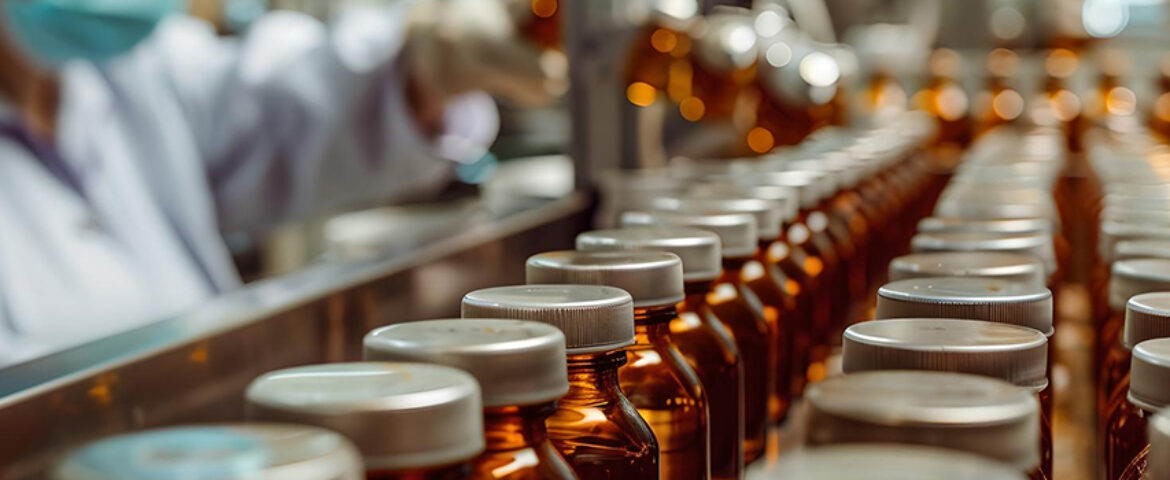




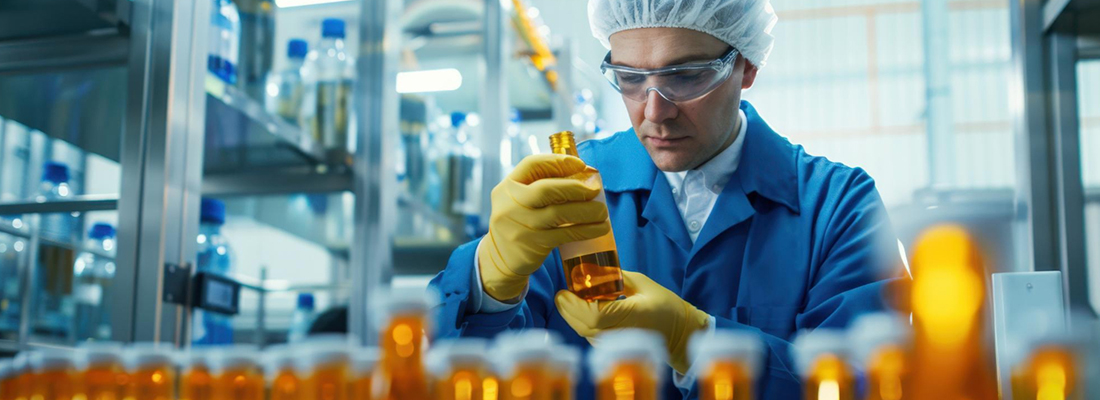
Active Pharmaceutical Ingredient (API) manufacturing demands precision, consistency, and strict adherence to quality standards. Every raw material used during the manufacturing process contributes to the quality, purity, and regulatory compliance of the final pharmaceutical product. Among the solvents commonly used in API production, methanol remains an important processing solvent because of its excellent solvency, versatility, […]