

In pharmaceutical manufacturing, solvent management extends beyond selecting the right chemical for a process. How a solvent is stored, handled and monitored can have a direct bearing on workplace safety, material quality and operational reliability. This is particularly important for methylene dichloride (MDC), a solvent used in pharmaceutical processing, extraction and purification.
Also known as dichloromethane (DCM) or methylene chloride, MDC is a clear, colourless and volatile liquid with the chemical formula CH₂Cl₂. Its solvent properties make it useful in various industrial and pharmaceutical applications. However, its volatility and potential health hazards mean that appropriate storage and handling procedures are essential.
So, what should pharmaceutical facilities consider when managing MDC, and how can good practices help maintain safer working conditions?
Understanding the Properties and Risks of MDC
MDC is a chlorinated organic solvent that evaporates readily at room temperature. Its boiling point is approximately 39.8°C, meaning that it can generate vapours under ordinary workplace conditions.
Inadequate ventilation can allow these vapours to accumulate, increasing the risk of exposure. Inhalation is a particularly important route of exposure, while contact with the liquid can also affect the skin and eyes. Exposure may cause dizziness, drowsiness and other serious health effects. Methylene chloride is also recognised as a potential occupational carcinogen.
An important consideration is that its odour is not a reliable indicator of safe exposure levels. Facilities must therefore rely on appropriate engineering controls, risk assessments and exposure monitoring rather than smell to identify potential hazards.
Understanding these properties provides the foundation for establishing effective storage and handling practices.
Essential Storage Practices for MDC
1. Choose a Suitable Storage Environment
MDC should be stored in a cool, dry and well-ventilated area, away from direct sunlight and sources of heat. Storage conditions should be designed to minimise unnecessary vapour exposure and protect containers from physical damage.
The storage location should also be selected according to the facility’s chemical safety assessment, taking into account the quantity stored, container type and applicable local requirements. Access should be restricted to trained and authorised personnel.
2. Use Compatible, Securely Closed Containers
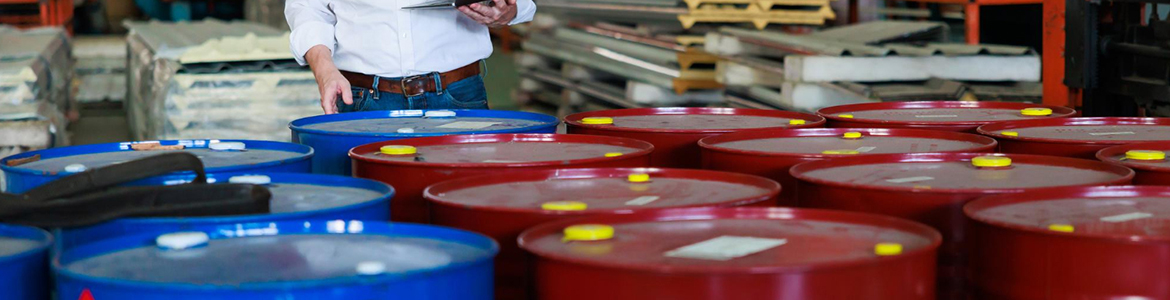
MDC should be kept in suitable, chemically compatible containers that are tightly closed when not in use. Appropriate container materials and transfer equipment must be selected based on the solvent’s compatibility with the material of construction and the supplier’s recommendations.
Containers should be inspected periodically for damage, deterioration, leakage or defective closures. Any damaged packaging should be managed according to the facility’s approved safety procedures.
Keeping containers securely closed helps limit vapour release, reduces the risk of contamination and protects the integrity of the stored material.
3. Maintain Clear Labelling and Segregation
Every container should carry an appropriate label identifying the chemical, its hazards and relevant handling precautions. Product identity, batch details and other traceability information should remain legible throughout storage and use.
MDC must also be segregated from incompatible substances. Clear segregation, organised inventory management and accessible safety data sheets (SDSs) help personnel identify potential hazards before handling begins.
Safe Handling Practices in Pharmaceutical Facilities
1. Prioritise Engineering Controls
Because MDC produces vapours readily, controlling exposure at the source is a key safety measure. Where appropriate, closed transfer systems and local exhaust ventilation can help reduce the release of vapours into the workplace.
Laboratory operations involving MDC should be carried out using suitable, properly functioning ventilation systems, such as a chemical fume hood where required by the risk assessment and procedure.
Ventilation systems must be maintained and their effectiveness assessed. Air monitoring may also be necessary to determine whether workplace exposure controls are performing adequately.
2. Use Appropriate Personal Protective Equipment
Personal protective equipment (PPE) provides an additional layer of protection when handling MDC. Depending on the task and risk assessment, this may include chemical-resistant gloves, protective clothing and suitable eye or face protection.
Glove selection requires particular attention because MDC can penetrate some commonly used glove materials, including nitrile and neoprene. Facilities should consult the SDS, glove manufacturer’s chemical-resistance data and relevant safety guidance to select suitable protection for the expected duration and type of exposure.
PPE should complement, rather than replace, effective engineering controls and safe working procedures.
3. Follow Controlled Transfer and Dispensing Procedures
Unnecessary transfers increase opportunities for spills, splashes and vapour release. Pharmaceutical facilities should therefore use established procedures for dispensing and transferring MDC, with suitable equipment and trained personnel.
Before beginning a transfer, workers should check container integrity, confirm that the receiving vessel is compatible and ensure that ventilation and other required controls are operating.
Containers should be closed promptly after use. Unlabelled vessels, improvised transfer arrangements and unapproved handling methods should be avoided, as they can compromise both safety and material traceability.
Managing Spills, Waste and Emergency Preparedness
Even with preventive controls, facilities must be prepared to respond to accidental releases. Spill-response procedures should specify how to isolate the affected area, restrict access, notify the responsible safety personnel and obtain specialist assistance where necessary.
Untrained personnel should not attempt to clean up a significant MDC spill. Because hazardous vapour concentrations may be present without a reliable odour warning, entry and clean up must be handled by appropriately trained responders using suitable protective equipment.
MDC waste and contaminated absorbents should be collected in compatible, closed and correctly labelled containers for disposal through authorised waste-management procedures. They should not be discharged into drains or released into the environment.
Regular training, accessible emergency instructions and appropriate response equipment help ensure that personnel understand their responsibilities before an incident occurs.
Maintaining Solvent Quality and Pharmaceutical Compliance
Safety is only one aspect of solvent management in pharmaceutical manufacturing. Product quality, traceability and process suitability are equally important.
Facilities should verify incoming MDC against the specifications required for its intended application. Relevant documentation, including the Certificate of Analysis (CoA), should be reviewed as part of the established material-receipt and quality-control procedures.
Containers should be clearly identified, and storage and dispensing records should support batch traceability. Where MDC is used in a pharmaceutical process, the applicable quality requirements and controls for residual solvents must also be considered.
These measures help prevent mix-ups, support consistent processing and ensure that the solvent remains suitable for its intended use.
Supporting Pharmaceutical Manufacturing with Purosolv
Effective solvent management begins with selecting a product that meets the requirements of the intended application and establishing appropriate procedures for its use.
Purosolv, a brand of Deepak Fertilisers and Petrochemicals Corporation Limited (DFPCL), offers pharmaceutical-grade methylene dichloride in multiple grades, including USP/NF, BP, EP, IP and multicompendial options. Available packaging formats include smaller glass bottles, drums and bulk quantities. At Purosolv, we are committed to promoting the responsible handling and use of our products by ensuring that the necessary safety practices and guidelines are followed.
For pharmaceutical manufacturers, choosing the appropriate grade involves reviewing the relevant specifications, quality documentation and process requirements. These considerations, combined with suitable storage conditions, effective exposure controls and trained personnel, contribute to responsible solvent management.
Conclusion
MDC can play a useful role in pharmaceutical processing, extraction and purification, but its volatility and potential health hazards require careful management. Secure storage, compatible containers, clear labelling, effective ventilation and appropriate protective equipment are essential elements of a sound handling programme.
Equally important are spill preparedness, controlled waste disposal, staff training and documentation that supports material traceability and quality assurance.
By combining suitable pharmaceutical-grade solvent selection with established safety procedures, facilities can better manage the risks associated with MDC while supporting reliable manufacturing operations. Responsible solvent management is not a single action, but an ongoing commitment to product quality, personnel safety and operational discipline.