

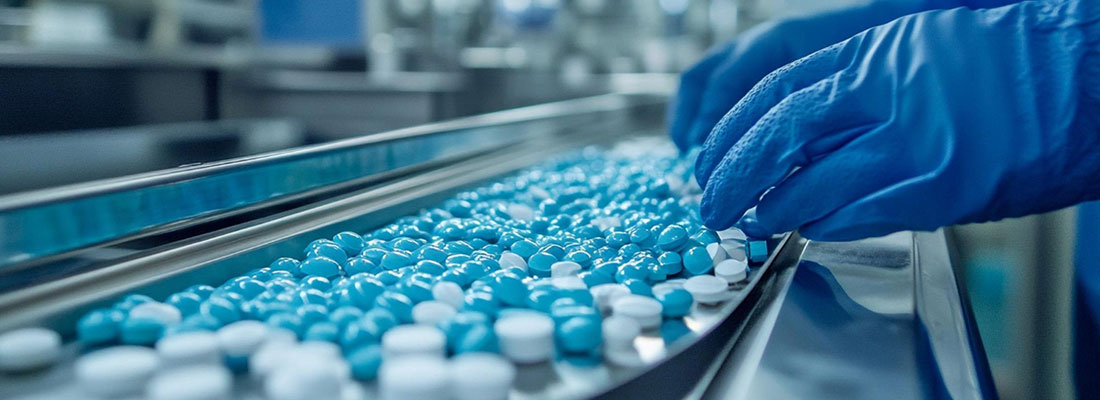
In pharmaceutical manufacturing, controlled-release tablet formulations are designed to release active pharmaceutical ingredients (APIs) at a predetermined rate over an extended period. These formulations can help maintain consistent drug concentrations, reduce dosing frequency, and improve patient convenience.
The successful development and manufacture of controlled-release tablets depend on several factors, including polymer selection, formulation design, coating processes, and solvent quality.
Pharma-grade acetone is widely used as a processing solvent in pharmaceutical applications due to its excellent solvency, rapid evaporation rate, and compatibility with various pharmaceutical polymers. When appropriately selected and controlled, acetone can support efficient processing and consistent performance in controlled-release tablet formulations.
Why Pharma-Grade Acetone Matters
Acetone is a volatile organic solvent commonly used in pharmaceutical manufacturing and formulation processes.
Its strong solvency and rapid evaporation characteristics make it suitable for applications involving polymers, resins, and other coating materials used in pharmaceutical formulations.
Pharma-grade acetone may be used in:
• Polymer dissolution
• Tablet coating formulations
• Controlled-release coatings
• Pharmaceutical processing
• Extraction and purification processes
• API manufacturing
Because solvent quality can directly influence formulation performance, manufacturing consistency, and finished product quality, selecting high-quality pharma-grade acetone is an important consideration.
Key Factors When Using Acetone in Controlled-Release Formulations
1. Selecting Compatible Controlled-Release Polymers
Polymers play an important role in controlling the release of APIs from pharmaceutical tablets.
Depending on the formulation and intended drug release profile, manufacturers may use polymers to create barriers that regulate the movement of fluids and APIs through the tablet coating.
Acetone can be used as a solvent for certain pharmaceutical polymers, depending on their solubility characteristics and formulation requirements.
Manufacturers should carefully evaluate:
• Polymer solubility
• API compatibility
• Desired drug release profile
• Coating characteristics
• Processing conditions
Selecting an appropriate polymer-solvent system helps support consistent coating performance and predictable drug release.
2. Maintain Consistent Solvent Quality
The quality and consistency of acetone used during pharmaceutical manufacturing can influence formulation and process performance.
Variations in solvent purity may potentially affect:
• Polymer dissolution
• Coating solution consistency
• Drying performance
• Process reproducibility
• Finished product quality
Pharma-grade acetone should therefore meet appropriate quality specifications for purity, water content, organic impurities, non-volatile residues, and other relevant parameters.
Consistent solvent quality helps reduce unnecessary process variability.
3. Optimise the Coating Formulation
The composition of a controlled-release coating formulation can significantly influence finished product performance.
Manufacturers should carefully optimise factors such as:
• Polymer concentration
• Solvent composition
• Solution viscosity
• Solids content
• Plasticiser concentration
• Coating weight gain
An optimised formulation helps maintain uniform coating application while supporting the intended drug release characteristics.
4. Control Solvent Evaporation
One of the important characteristics of acetone is its rapid evaporation rate.
During tablet coating, controlled solvent evaporation is necessary to achieve appropriate film formation and coating uniformity.
If acetone evaporates too rapidly, it may potentially affect coating characteristics. Insufficient drying, on the other hand, may contribute to higher residual solvent levels.
Manufacturers should therefore carefully monitor:
• Inlet air temperature
• Outlet air temperature
• Airflow rate
• Product temperature
• Spray rate
• Drying time
Maintaining appropriate process conditions supports efficient solvent removal and consistent coating formation.
5. Monitor Critical Process Parameters
Controlled-release formulations require precise manufacturing controls because variations in coating characteristics can influence drug release performance.
Important process parameters may include:
• Spray rate
• Atomisation pressure
• Tablet bed temperature
• Airflow
• Coating time
• Drying conditions
• Coating thickness
Manufacturers should establish suitable operating ranges based on formulation development, process validation, and quality risk assessments.
Effective monitoring helps maintain consistent manufacturing performance across batches.
6. Manage Residual Solvent Levels
Because acetone is used as a processing solvent, manufacturers must ensure that residual solvent levels in finished pharmaceutical products remain within applicable specifications.
Acetone is classified as a Class 3 solvent under the ICH Q3C guideline and is considered to have lower toxic potential than Class 1 and Class 2 solvents.
However, appropriate manufacturing controls remain necessary.
Residual acetone levels can be managed through:
• Optimised coating formulations
• Controlled spray rates
• Effective drying conditions
• Validated manufacturing processes
• Appropriate analytical testing
Gas chromatography is commonly used for residual solvent analysis in pharmaceutical products.
7. Validate Drug Release Performance
The primary objective of controlled-release formulations is to achieve consistent and predictable API release over a specified period.
Manufacturers should evaluate whether the coating formulation and manufacturing process consistently achieve the intended drug release profile.
Validation and quality testing may include:
• Dissolution testing
• Coating uniformity evaluation
• Residual solvent testing
• Stability studies
• Batch-to-batch performance assessment
Robust process validation helps ensure consistent product quality and manufacturing reproducibility.
Why Consistent Acetone Quality Matters
Controlled-release formulations require precise control over raw materials and manufacturing processes.
Variations in acetone quality can potentially influence polymer dissolution, coating performance, drying behaviour, and process consistency.
Working with a reliable pharma-grade acetone supplier can help manufacturers achieve:
• Consistent solvent quality
• Reliable batch-to-batch performance
• Improved process control
• Comprehensive quality documentation
• Greater regulatory readiness
• Reliable supply continuity
Why Purosolv is a Trusted Choice for Pharma-Grade Acetone
Purosolv is committed to supporting pharmaceutical manufacturers with high-quality acetone solutions designed for demanding pharmaceutical applications.
1. Consistent Product Quality
Strict quality controls help ensure consistent solvent purity and reliable manufacturing performance.
This supports:
• Consistent formulation performance
• Reliable polymer processing
• Predictable manufacturing outcomes
• Improved process control
2. Comprehensive Documentation
Purosolv provides quality and regulatory documentation to support traceability, audits, inspections, and pharmaceutical compliance requirements.
3. Reliable Supply Chain Support
A dependable supply network helps pharmaceutical manufacturers maintain uninterrupted production and greater operational stability.
Conclusion
The successful manufacture of controlled-release tablets requires careful management of formulation design, polymer selection, coating parameters, solvent quality, drying conditions, and residual solvent levels.
Pharma-grade acetone offers strong solvency and rapid evaporation characteristics that can support pharmaceutical processing and controlled-release coating applications when used within appropriately designed and validated manufacturing processes.
By selecting high-quality pharma-grade acetone and implementing robust process controls, pharmaceutical manufacturers can improve formulation consistency, support predictable drug release performance, and maintain product quality.
Purosolv supports pharmaceutical manufacturers with high-quality acetone solutions backed by stringent quality controls, comprehensive documentation, and reliable supply capabilities.
Frequently Asked Questions (FAQs)
1. Why is acetone used in controlled-release tablet formulations?
Acetone can be used as a processing solvent due to its strong solvency, rapid evaporation rate, and compatibility with certain pharmaceutical polymers.
2. How does solvent quality affect controlled-release formulations?
Variations in solvent quality can influence polymer dissolution, coating consistency, drying behaviour, process reproducibility, and finished product performance.
3. Is acetone classified as a residual solvent?
Yes. Acetone is classified as a Class 3 solvent under the ICH Q3C guideline and should be appropriately controlled during pharmaceutical manufacturing.
4. How can manufacturers control residual acetone levels?
Manufacturers can manage residual acetone through optimised formulations, controlled coating parameters, effective drying, validated manufacturing processes, and appropriate analytical testing.
5. Why choose Purosolv for pharma-grade acetone?
Purosolv provides high-quality acetone solutions supported by consistent product quality, stringent quality controls, comprehensive documentation, and reliable supply capabilities.