

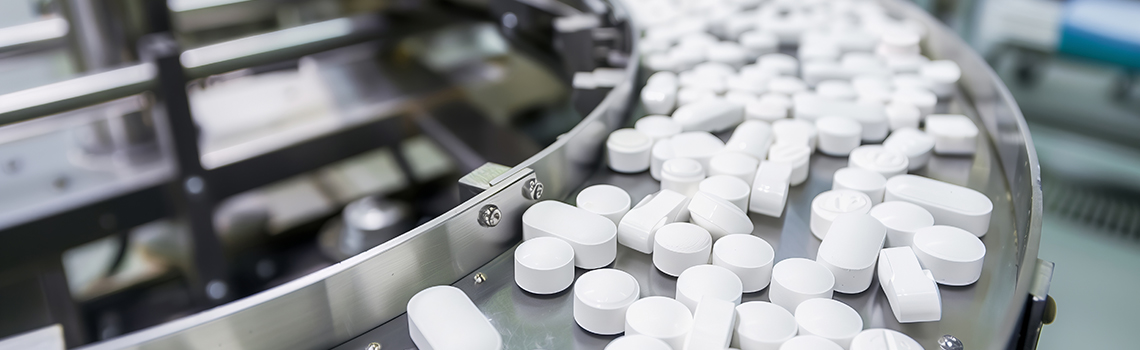
In pharmaceutical manufacturing, tablet coating is far more than a cosmetic finishing step. Modern coating processes improve drug stability, enhance patient compliance, protect sensitive active ingredients, and enable modified drug release. At the centre of many advanced coating systems is Isopropyl Alcohol (IPA), a highly effective solvent widely used across pharmaceutical production.
IPA has become a preferred choice in pharmaceutical tablet coating because of its rapid evaporation, excellent solvency, low moisture content, and compatibility with a wide range of coating polymers. For manufacturers focused on quality, efficiency, and regulatory compliance, pharmaceutical-grade IPA plays a critical role in achieving consistent coating performance and reliable product outcomes.
Understanding Pharmaceutical Tablet Coating
Tablet coating involves applying a thin layer of polymer-based material onto the surface of tablets. The coating may serve several purposes, including:
• Protecting the active pharmaceutical ingredient (API) from moisture, oxygen, or light
• Improving tablet appearance and branding
• Masking unpleasant taste or odour
• Enhancing swallowability
• Enabling controlled or delayed drug release
• Improving mechanical strength during packaging and transport
To achieve these objectives, coating formulations require carefully selected solvents that dissolve coating polymers efficiently and allow smooth, uniform application during manufacturing.
IPA is one of the most widely used solvents in non-aqueous tablet coating systems because it provides several processing and performance advantages.
Why IPA is Ideal for Tablet Coating
1. Rapid Evaporation for Faster Processing
One of the biggest advantages of IPA is its relatively low boiling point, which allows it to evaporate quickly during the coating process. Rapid solvent evaporation helps manufacturers:
• Reduce coating cycle times
• Improve production throughput
• Lower energy consumption during drying
• Minimise exposure of heat-sensitive APIs to elevated temperatures
Fast drying also supports uniform film formation, reducing coating defects such as sticking, picking, or uneven surfaces.
In high-volume pharmaceutical manufacturing environments, shorter processing times can significantly improve operational efficiency and production capacity.
2. Excellent Polymer Solvency
IPA effectively dissolves many pharmaceutical coating polymers used in tablet coating applications, including:
• Hydroxypropyl methylcellulose (HPMC)
• Ethyl cellulose
• Polyvinyl alcohol (PVA)
• Eudragit polymers
These polymers are commonly used in immediate-release, sustained-release, and enteric coating systems. IPA helps create stable and uniform coating solutions that spray evenly onto tablet surfaces.
Uniform polymer dissolution contributes to:
• Smooth coating appearance
• Consistent coating thickness
• Improved adhesion to tablet cores
• Better control over drug release profiles
This consistency is essential in pharmaceutical manufacturing, where even minor process variations can affect final product quality.
3. Low Moisture Content Protects Sensitive APIs
Many active pharmaceutical ingredients are highly sensitive to moisture. Exposure to water during coating may lead to:
• Hydrolysis
• Chemical degradation
• Reduced potency
• Stability issues
• Shortened shelf life
IPA-based coating systems introduce significantly less moisture compared to water-based alternatives. This makes IPA particularly valuable for moisture-sensitive formulations.
By minimising water exposure, IPA helps preserve API stability throughout the coating process while maintaining the integrity of the finished dosage form.
4. Improved Coating Uniformity
Consistent tablet coating is essential for both product performance and regulatory compliance. Uneven coating may affect:
• Drug release behaviour
• Tablet appearance
• Batch uniformity
• Product stability
IPA supports excellent spray characteristics during coating application. Its rapid and controlled evaporation helps form smooth, thin, and uniform polymer films across tablet surfaces.
This improves process reliability and helps manufacturers maintain consistent quality standards across large production batches.
5. Enhanced Manufacturing Efficiency
Efficiency is a major priority in pharmaceutical production facilities. IPA contributes to streamlined manufacturing operations in several ways:
• Faster drying reduces production downtime
• Efficient polymer dissolution simplifies formulation preparation
• Lower residual moisture minimises additional drying requirements
• Predictable solvent behaviour improves process control
These benefits help pharmaceutical manufacturers optimise equipment utilisation and reduce operational costs without compromising product quality.
6. Regulatory Advantages of IPA
From a regulatory perspective, IPA offers a favourable safety profile for pharmaceutical manufacturing.
Under ICH Q3C guidelines, IPA is classified as a Class 3 solvent, meaning it has relatively low toxic potential when used within acceptable limits. The permitted daily exposure (PDE) for IPA is 50 mg/day, with a concentration limit of 5,000 ppm in pharmaceutical products.
This regulatory classification makes IPA suitable for a broad range of pharmaceutical applications, including tablet coating.
However, manufacturers must still ensure:
• Proper residual solvent testing
• Process validation
• GMP compliance
• Accurate documentation and traceability
Residual IPA levels are commonly measured using gas chromatography (GC) to verify compliance with pharmacopeia standards.
7. Importance of Pharmaceutical-Grade IPA
Not all IPA is suitable for pharmaceutical use. The purity of IPA directly impacts coating performance, product stability, and patient safety.
Low-quality solvents may introduce impurities that can affect:
• Coating adhesion
• Surface appearance
• Residual solvent levels
• Product stability
• Manufacturing consistency
Pharmaceutical-grade IPA is manufactured to stringent pharmacopeia standards to ensure high purity and reliable performance.
How Purosolv Supports Pharmaceutical Manufacturers
Purosolv supplies pharmaceutical-grade IPA designed to meet the demanding requirements of pharmaceutical production environments.
Purosolv IPA complies with multiple international pharmacopeia standards, including:
• USP (United States Pharmacopeia)
• BP (British Pharmacopoeia)
• EP (European Pharmacopoeia)
• IP (Indian Pharmacopoeia)
• JP (Japanese Pharmacopoeia)
• CP (Chinese Pharmacopoeia)
These quality standards help manufacturers maintain regulatory compliance across global pharmaceutical markets.
Key Benefits of Purosolv IPA
Consistent High Purity
Strict quality control processes ensure reliable solvent performance across batches, supporting stable coating outcomes and reproducible manufacturing processes.
Reliable Process Performance
High-purity IPA helps manufacturers achieve smooth coating application, predictable drying behaviour, and consistent tablet appearance.
Comprehensive Documentation
Purosolv provides certificates of analysis (COAs), safety data sheets (SDS), and supporting regulatory documentation to simplify GMP compliance and audits.
Trusted Supply Chain
Reliable IPA availability helps pharmaceutical manufacturers maintain uninterrupted production schedules and reduce supply chain risks.
Future Trends in Tablet Coating with IPA
As pharmaceutical manufacturing technologies evolve, IPA continues to play an important role in advanced coating and formulation processes.
Emerging industry trends include:
• Continuous pharmaceutical manufacturing
• Advanced controlled-release coatings
• Precision spray-coating technologies
• Solvent recovery and recycling systems
• Improved sustainability initiatives
Because of its excellent solvency, low moisture contribution, and strong regulatory acceptance, IPA is expected to remain a key solvent in pharmaceutical coating applications for years to come.
Conclusion
IPA delivers significant advantages in pharmaceutical tablet coating applications. Its rapid evaporation, excellent polymer solvency, low moisture content, and regulatory acceptance make it an ideal solvent for modern pharmaceutical manufacturing.
From improving coating uniformity to protecting moisture-sensitive APIs and enhancing manufacturing efficiency, pharmaceutical-grade IPA supports both operational performance and product quality.
By choosing high-purity IPA solutions from Purosolv, pharmaceutical manufacturers can strengthen coating reliability, simplify compliance, and maintain the high standards required in global pharmaceutical production.
Frequently Asked Questions (FAQs)
1. What is IPA used for in pharmaceutical tablet coating?
IPA (Isopropyl Alcohol) is used as a solvent in tablet coating formulations. It helps dissolve coating polymers, supports smooth spray application, and evaporates quickly to form a uniform coating layer on tablets.
2. Why is IPA preferred for moisture-sensitive pharmaceutical formulations?
IPA contains significantly less moisture than water-based solvents. This helps protect moisture-sensitive active pharmaceutical ingredients (APIs) from hydrolysis, degradation, and stability issues during the coating process.
3. Which coating polymers are commonly dissolved using IPA?
IPA is compatible with several pharmaceutical coating polymers, including:
• Hydroxypropyl methylcellulose (HPMC)
• Ethyl cellulose
• Polyvinyl alcohol (PVA)
• Eudragit polymers
These polymers are widely used in immediate-release, sustained-release, and enteric coating systems.
4. Is IPA considered safe for pharmaceutical applications?
Yes. IPA is classified as a Class 3 solvent under ICH Q3C guidelines, meaning it has relatively low toxic potential when used within approved limits. Manufacturers must still monitor residual solvent levels to ensure regulatory compliance.
5. How are residual IPA levels tested in pharmaceutical products?
Residual IPA levels are typically measured using gas chromatography (GC). This analytical method helps manufacturers confirm that solvent levels remain within pharmacopeia and regulatory limits.
6. What are the advantages of IPA over water-based coating systems?
IPA-based coating systems offer several advantages, including:
• Faster drying times
• Lower moisture exposure
• Better protection for moisture-sensitive APIs
• Improved coating uniformity
• Enhanced manufacturing efficiency
These benefits make IPA particularly valuable in specialised pharmaceutical formulations.
7. Why is pharmaceutical-grade IPA important in tablet coating?
High-purity pharmaceutical-grade IPA helps ensure:
• Consistent coating performance
• Stable product quality
• Reduced impurities
• Better regulatory compliance
• Reliable manufacturing outcomes
Low-quality solvents may negatively affect coating appearance, adhesion, and product stability.
8. How does Purosolv support pharmaceutical manufacturers?
Purosolv provides pharmaceutical-grade IPA manufactured to international pharmacopeia standards, including USP, BP, EP, IP, JP, and CP specifications. The company also supports manufacturers with consistent quality, regulatory documentation, and reliable supply chain support.