

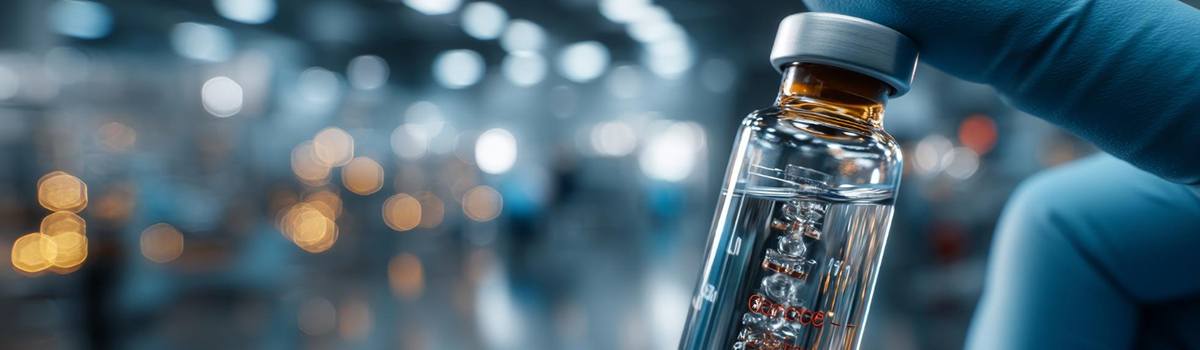
Methanol has been used in pharmaceutical manufacturing for many decades and continues to play an important supporting role in vaccine development. Although vaccines are biological products, many stages of their research, development, and manufacturing rely on carefully controlled chemical and cleaning processes where methanol is used.
Methanol offers strong solvency, predictable behaviour, and efficient removal when handled correctly. However, it also presents challenges related to safety, regulatory compliance, and quality control. Understanding both the progress enabled by methanol and the challenges it creates is essential for vaccine manufacturers working in highly regulated environments.
Why Methanol is Used in Vaccine Development
Methanol is valued in vaccine development because of its simple chemical structure and reliable performance.
Key reasons for its use include:
• Strong solvent power
• Availability in high-purity grades
• Predictable evaporation behaviour
• Compatibility with many pharmaceutical processes
These properties make methanol suitable for both laboratory-scale research and large-scale vaccine manufacturing, provided it is used within validated and controlled systems.
Role of Methanol in Early-Stage Vaccine Research
In early research and development, methanol is widely used in supporting and analytical activities rather than in the final vaccine formulation.
Typical uses include:
• Preparation of reference and analytical solutions
• Supporting laboratory testing and method development
• Cleaning glassware and laboratory equipment
• Assisting in intermediate processing steps
At this stage, methanol helps researchers achieve accurate, repeatable results, which are critical for understanding vaccine components and behaviour.
Methanol in Vaccine Manufacturing Processes
During vaccine production, methanol supports several indirect but essential operations.
These include:
• Preparation of intermediates
• Washing and purification steps
• Cleaning of manufacturing equipment
• Supporting upstream and downstream processes
Using qualified, high-purity methanol helps manufacturers maintain consistent cleaning and purification performance, reduce variability caused by solvent impurities, and support validated processes across multiple production batches. This consistency is especially important in vaccine manufacturing, where process repeatability is closely monitored by regulators.
Importance of Solvent Quality in Vaccine Production
Vaccine manufacturing operates under extremely strict regulatory and quality expectations. As a result, solvent quality is critical.
Variations in methanol purity, moisture content, or impurity profile can affect:
• Process consistency
• Cleaning effectiveness
• Analytical accuracy
• Overall regulatory compliance
Purosolv’s pharmacopeia grade (BP, USP & EP) Methanol, is manufactured under stringent quality and compliance systems, is designed to meet the needs of regulated pharmaceutical and vaccine applications. Its controlled impurity and moisture profile supports reliable processing, consistent cleaning performance, and predictable analytical results throughout vaccine development and manufacturing.
Regulatory Controls Governing Methanol Use
Methanol is classified as a controlled solvent due to its toxicity if misused. Regulatory authorities allow its use in vaccine development only under clearly defined conditions.
Key regulatory expectations include:
• Justification for methanol use
• Validated control and removal processes
• Defined residual solvent limits
• Comprehensive GMP documentation
Manufacturers must demonstrate that methanol does not pose any risk to patient safety and that it is fully controlled within the process.
Residual Solvent Management Challenges
One of the main challenges associated with methanol use is controlling residual solvent levels.
Regulatory authorities require that:
• Methanol is effectively removed from intermediates
• Analytical methods are validated
• Testing represents the entire batch
• Results are reviewed and documented
Solvent quality plays a direct role in residual solvent control. Purosolv’s pharmacopeia grade (BP, USP & EP) Methanol’s is low in non-volatile residue and controlled impurity levels support efficient solvent removal, helping manufacturers meet residual solvent limits without extended drying times or reprocessing.
Safety and Handling Challenges
Methanol is flammable and toxic, making safety a major concern in vaccine manufacturing facilities.
Critical safety measures include:
• Proper ventilation systems
• Explosion-proof equipment
• Controlled storage and clear labelling
• Operator training and emergency procedures
Regulatory inspections often focus closely on how methanol is stored, handled, and monitored to ensure both worker safety and process integrity.
Environmental and Emissions Considerations
The use of methanol also brings environmental responsibilities.
Manufacturers must manage:
• Solvent vapour emissions
• Waste solvent disposal
• Solvent recovery and recycling systems
• Compliance with environmental regulations
Improved recovery and recycling practices help reduce environmental impact while maintaining regulatory compliance.
Documentation and Traceability Requirements
Strong documentation is essential when methanol is used in vaccine development.
Important records include:
• Methanol specifications and certificates of analysis
• Batch usage and cleaning logs
• Residual solvent testing results
• Deviations and corrective actions
Regulatory inspections place strong emphasis on supplier qualification and traceability. Purosolv’s pharmacopeia grade (BP, USP & EP) Methanol is supported by comprehensive quality documentation, including certificates of analysis and batch traceability, helping manufacturers prepare for audits, validations, and regulatory submissions.
Progress Enabled by Methanol Use
Despite its challenges, methanol continues to support progress in vaccine development.
Key benefits include:
• Reliable and predictable processing
• Efficient cleaning and preparation
• Support for analytical and development work
• Compatibility with validated manufacturing systems
These advantages help manufacturers maintain speed, consistency, and quality, which are especially critical during large-scale vaccine production.
Ongoing Challenges and Risk Management
While methanol remains useful, manufacturers must continuously manage associated risks.
Ongoing challenges include:
• Maintaining consistent solvent quality
• Ensuring complete removal from processes
• Keeping up with evolving regulatory expectations
• Balancing efficiency with safety and environmental control
Risk-based approaches, strong validation, and reliable solvent sourcing are essential for addressing these challenges effectively.
Future Outlook for Methanol in Vaccine Development
As vaccine technologies evolve, the role of methanol is also changing.
Future trends may include:
• Greater focus on solvent recovery and reuse
• Increased emphasis on supplier quality
• Enhanced digital documentation and data integrity
• Continued improvements in safety systems
Manufacturers that invest in robust controls and high-quality solvents will be better prepared for future regulatory demands.
Conclusion
Methanol continues to play an important supporting role in vaccine development, from early research through to large-scale manufacturing. Its strong solvency, predictable behaviour, and availability make it a valuable tool when used responsibly.
At the same time, methanol presents challenges related to safety, residual solvent control, environmental impact, and regulatory compliance. Addressing these challenges requires validated processes, trained personnel, and reliable solvent quality.
Purosolv’s pharmacopeia grade (BP, USP & EP) Methanol, is produced under stringent quality and compliance standards, helps vaccine manufacturers minimise impurity risks, maintain process consistency, and meet global regulatory expectations. When used within controlled and validated systems, methanol remains an effective and dependable component of modern vaccine development.
Frequently Asked Questions (FAQs)
1. Is methanol used in finished vaccines?
No. Methanol is removed during processing and is not present in the final product.
2. Why is methanol used in vaccine development?
Because it offers strong solvency and predictable behaviour for controlled processes.
3. Is methanol safe in vaccine manufacturing?
Yes, when handled under GMP conditions with proper controls.
4. Does solvent quality affect regulatory compliance?
Yes. Consistent, high-purity methanol supports compliance and process reliability.
5. Can methanol be replaced in vaccine development?
In some cases, but it remains difficult to replace across all supporting applications.