

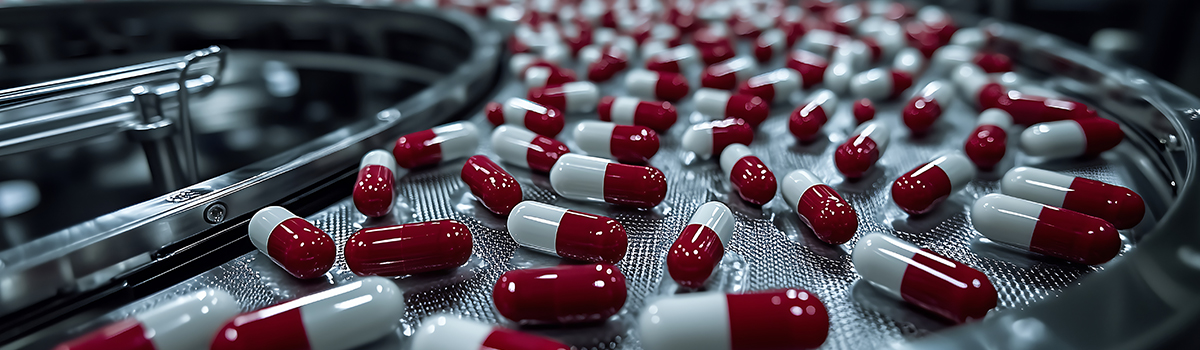
In pharmaceutical manufacturing, tablet coating is a critical step that improves product stability, appearance, and patient compliance. One solvent widely used in this process is Isopropyl Alcohol (IPA) due to its excellent solvency and rapid evaporation. However, because IPA is an organic solvent, manufacturers must carefully manage residual solvent levels to meet strict regulatory requirements.
The ICH Q3C guideline on residual solvents sets clear limits on the amount of solvent that can remain in pharmaceutical products. For companies using IPA in coating processes, maintaining compliance requires strong process control, reliable testing, and consistent solvent quality. Understanding how to manage these requirements effectively helps ensure patient safety and regulatory approval.
Why IPA is Commonly Used in Tablet Coating
Tablet coating formulations often require a solvent that can dissolve polymers and coating agents while evaporating quickly during the drying phase. IPA fits these requirements perfectly.
Key advantages of IPA in pharmaceutical coating include:
• Excellent solvency for coating polymers
• Rapid evaporation that speeds up drying
• Reduced moisture exposure compared with water-based systems
• Smooth and uniform coating finish
Because of these benefits, IPA supports efficient production and high-quality coated tablets. However, its volatility also means manufacturers must carefully control evaporation and drying to prevent solvent residues in the final product.
Understanding ICH Q3C Guidelines
The International Council for Harmonisation (ICH) developed the Q3C guideline to regulate residual solvents in pharmaceuticals. These solvents may remain after manufacturing and must be controlled to protect patient safety.
IPA is classified as a Class 3 solvent under ICH Q3C. This means it has relatively low toxicity compared with other solvents, but limits still apply.
Regulatory expectations include:
• Residual solvent levels must remain below permitted daily exposure limits
• Analytical testing must confirm compliance
• Manufacturing processes must consistently remove solvents
• Documentation must support regulatory inspections
Meeting these requirements ensures that the final pharmaceutical product is safe for consumption.
Challenges in Managing Residual IPA
Even though IPA evaporates quickly, improper process control can lead to elevated residual solvent levels.
Some common challenges include:
1. Incomplete Drying
If the drying stage is insufficient, IPA may remain trapped in the coating layer.
2. Uneven Coating Distribution
Poor spray patterns or inconsistent mixing can result in uneven solvent evaporation.
3. Process Variability
Changes in temperature, airflow, or equipment settings may affect solvent removal.
4. Batch-to-Batch Differences
Variations in solvent purity or formulation can influence drying behaviour.
Manufacturers must therefore design their coating processes carefully to ensure consistent solvent removal across every production batch.
Importance of Solvent Quality
While process control plays a major role in managing residual solvents, the quality of IPA used in the coating formulation is equally important.
Variations in solvent purity, moisture content, or impurities can affect:
• Drying time
• Coating performance
• Residual solvent test results
• Batch reproducibility
Using pharmaceutical-grade IPA ensures predictable performance and reduces variability during manufacturing.
According to regulatory guidance, solvent specifications and documentation are critical components of compliance. Manufacturers must maintain proper records, certificates of analysis, and supplier qualification documentation.
Process Controls to Meet ICH Q3C Limits
To ensure compliance with residual solvent limits, pharmaceutical companies typically implement several process controls.
1. Controlled Coating Parameters
Precise control of spray rate, inlet temperature, and airflow ensures proper evaporation.
2. Optimised Drying Stages
Adequate drying time and temperature help remove remaining solvent from coated tablets.
3. In-Process Monitoring
Monitoring solvent levels during processing helps detect deviations early.
4. Validated Analytical Testing
Techniques such as gas chromatography (GC) are used to measure residual solvents accurately.
Together, these controls help manufacturers maintain solvent levels within acceptable limits.
Role of Process Validation
Process validation is essential for demonstrating that IPA coating operations consistently meet regulatory requirements.
Validation studies must confirm:
• Reproducible coating performance
• Effective solvent removal
• Consistent drying profiles
• Compliance under worst-case conditions
Regulatory agencies require documented evidence that the manufacturing process can reliably control residual solvent levels.
How Purosolv Supports Pharmaceutical Manufacturers
Managing residual solvents successfully requires not only strong process design but also reliable raw material sourcing.
Purosolv pharmaceutical-grade IPA is manufactured to meet major pharmacopeia standards including:
• IP
• JP
• CP
• BP
• USP
• EP
This high level of quality control supports pharmaceutical manufacturers in several ways:
1. Consistent Purity
A controlled impurity profile ensures predictable solvent behaviour during coating and drying.
2. Reliable Performance
Stable solvent characteristics help maintain consistent coating results.
3. Regulatory Documentation
Comprehensive quality documentation simplifies audits and regulatory submissions.
4. Supply Reliability
A dependable supplier reduces variability and supports smooth manufacturing operations.
By using high-quality IPA from Purosolv, pharmaceutical companies can reduce process variability and maintain better control over residual solvent levels.
Regulatory Inspections and Documentation
Regulatory authorities closely evaluate solvent management practices during inspections.
Manufacturers must maintain records such as:
• Solvent specifications and certificates of analysis
• Batch production records
• Residual solvent testing reports
• Process validation data
• Change control documentation
Proper documentation demonstrates compliance with ICH Q3C guidelines and ensures traceability throughout the manufacturing process.
Future Trends in Residual Solvent Management
Pharmaceutical regulations continue to evolve, and residual solvent control will remain a key focus area.
Emerging trends include:
• Advanced analytical technologies for solvent detection
• Improved drying and coating equipment
• Greater emphasis on supplier qualification
• Digital documentation systems for compliance
Manufacturers that invest in robust processes and reliable solvent suppliers will be better prepared to meet future regulatory expectations.
Conclusion
Isopropyl Alcohol plays an important role in pharmaceutical tablet coating by enabling efficient processing and high-quality coatings. However, strict regulatory standards require manufacturers to carefully control residual solvent levels in finished products.
Meeting ICH Q3C guidelines involves a combination of validated processes, accurate testing, proper documentation, and consistent solvent quality. By implementing strong process controls and using high-purity solvents such as Purosolv pharmacopeia-grade IPA, pharmaceutical manufacturers can maintain regulatory compliance while ensuring product safety and quality.
Effective solvent management ultimately supports both patient safety and manufacturing efficiency, making it a critical part of modern pharmaceutical production.
Frequently Asked Questions (FAQs)
1. What is the ICH Q3C guideline?
It is an international regulatory guideline that defines acceptable limits for residual solvents in pharmaceutical products.
2. Why is IPA used in tablet coating?
IPA dissolves coating polymers effectively and evaporates quickly, allowing efficient coating and drying.
3. How are residual solvents tested?
Residual solvents are typically measured using gas chromatography (GC).
4. Why is solvent quality important?
Consistent solvent purity ensures predictable drying behaviour and reliable residual solvent testing results.
5. How does Purosolv support pharmaceutical manufacturers?
Purosolv provides pharmacopeia-grade IPA with consistent quality, regulatory documentation, and reliable supply for pharmaceutical manufacturing.