

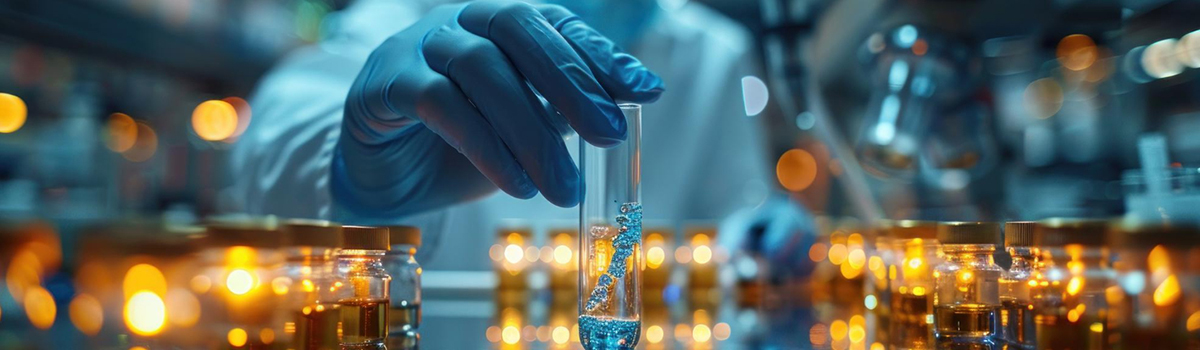
Innovations in drug delivery have transformed how medicines are designed, manufactured, and administered. Modern drug delivery systems aim to improve bioavailability, enhance patient compliance, and deliver medicines more effectively to targeted areas of the body. Behind many of these innovations are carefully selected solvents that support complex formulation and manufacturing processes.
Methylene Dichloride (also known as dichloromethane) continues to play an important role in advanced drug delivery technologies. Its unique physical and chemical properties make it valuable in specialised pharmaceutical applications where precise control, efficient processing, and reliable solvent removal are required.
Why Solvents Matter in Drug Delivery Innovation
Drug delivery systems are becoming increasingly sophisticated. Technologies such as controlled-release formulations, polymer-based delivery, and microencapsulation depend on tightly controlled processing conditions.
Solvents are critical because they help to:
• Dissolve polymers and active ingredients
• Support uniform mixing and coating
• Enable precise control over particle size and structure
• Allow efficient solvent removal during processing
The choice of solvent directly affects formulation performance, manufacturing efficiency, and regulatory compliance.
What Is Methylene Dichloride?
Methylene Dichloride is a volatile organic solvent known for its strong solvency and low boiling point. These properties make it useful in pharmaceutical manufacturing where rapid evaporation and clean processing are required.
Key characteristics include:
• Excellent ability to dissolve polymers
• Fast evaporation rate
• Low boiling temperature
• Compatibility with specialised drug delivery processes
Because of these features, methylene dichloride is often selected for applications where alternative solvents may not deliver the same level of control or performance.
Role of Methylene Dichloride in Drug Delivery Systems
Methylene dichloride plays a supporting role in several advanced drug delivery technologies.
Common applications include:
• Polymer-based drug delivery systems
• Microencapsulation and nanoparticle formation
• Film coating and membrane preparation
• Controlled-release formulations
Using high-quality methylene dichloride from qualified sources such as Purosolv helps manufacturers achieve uniform polymer dissolution, improve consistency in microencapsulation, reduce batch-to-batch variability, and support reproducible drug release characteristics. This level of consistency is essential for advanced delivery systems where performance depends on precise formulation control.
Supporting Microencapsulation and Nanotechnology
Microencapsulation and nanoparticle-based delivery systems are key innovations in modern pharmaceuticals. These technologies protect sensitive drugs and allow controlled release over time.
Methylene dichloride supports these processes by:
• Dissolving polymers used for encapsulation
• Enabling controlled particle formation
• Supporting uniform particle size distribution
• Allowing rapid solvent removal
Its fast evaporation helps solidify particles quickly, which is critical for achieving consistent and predictable drug release profiles.
Importance of Solvent Quality in Advanced Drug Delivery
Advanced drug delivery systems are highly sensitive to process variations. Even small changes in solvent quality can affect polymer behaviour, particle formation, coating uniformity, and drug release performance.
Poor solvent quality may lead to:
• Inconsistent formulation behaviour
• Increased impurity risks
• Difficulties during scale-up
• Regulatory compliance challenges
Purosolv’s pharmacopeia grade (BP, USP & EP) Methylene Dichloride is manufactured under stringent quality and compliance standards to support regulated pharmaceutical applications. Its controlled impurity profile helps ensure predictable solvent performance, consistent formulation outcomes, and reliable scale-up from development to commercial production.
Methylene Dichloride in Polymer-Based Formulations
Many modern drug delivery systems rely on polymers to control how drugs are released. Methylene dichloride is widely used to dissolve these polymers during formulation.
Benefits in polymer-based systems include:
• Efficient polymer dissolution
• Uniform drug distribution
• Smooth film and membrane formation
• Controlled solvent evaporation
These factors are essential for achieving reliable and reproducible drug delivery behaviour across batches.
Regulatory Considerations for Methylene Dichloride
Methylene dichloride is classified as a controlled solvent and is subject to strict regulatory oversight.
Regulatory expectations include:
• Defined residual solvent limits
• Validated solvent removal processes
• GMP-compliant handling and storage
• Comprehensive documentation and traceability
Manufacturers must demonstrate that methylene dichloride is effectively removed and does not pose a risk to patient safety.
Residual Solvent Control Challenges
Managing residual solvent levels is one of the main challenges when using methylene dichloride.
Regulatory authorities require that:
• Solvent removal is validated
• Analytical methods are sensitive and reliable
• Testing covers worst-case conditions
• Results are reviewed and documented
Solvent purity directly influences residual solvent management. Purosolv’s pharmacopeia grade (BP, USP & EP) Methylene Dichloride, is low in non-volatile residue and controlled impurity levels, supports efficient solvent removal and predictable residual solvent testing. This helps manufacturers meet regulatory limits without extended drying times or additional processing steps.
Safety and Handling Requirements
Methylene dichloride requires careful handling due to its volatility and health considerations.
Key safety measures include:
• Adequate ventilation systems
• Use of closed or contained processing equipment
• Clear labelling and controlled storage
• Operator training and safety procedures
Regulatory inspections place strong emphasis on how solvents are handled to protect both workers and product quality.
Environmental and Sustainability Considerations
Environmental regulations also influence how methylene dichloride is used in pharmaceutical manufacturing.
Manufacturers must address:
• Solvent vapour emissions
• Waste solvent management
• Solvent recovery and recycling systems
• Compliance with environmental regulations
Advances in containment and recovery technologies help reduce environmental impact while maintaining process efficiency.
Documentation and Supplier Qualification
Strong documentation is essential when methylene dichloride is used in drug delivery systems.
Key documents include:
• Certificates of analysis
• Batch traceability records
• Residual solvent test results
• Change control and deviation reports
Regulatory inspections place strong emphasis on supplier qualification and traceability. Purosolv pharmacopeia grade (BP, USP & EP) Methylene Dichloride is supported by comprehensive quality documentation, including certificates of analysis and batch traceability, helping manufacturers meet audit, validation, and regulatory submission requirements.
Why Methylene Dichloride Remains Relevant
Despite increasing regulatory scrutiny and the development of alternative solvents, methylene dichloride remains relevant because it offers:
• Proven performance in specialised applications
• Strong solvency for polymers
• Efficient processing characteristics
• Regulatory familiarity when properly controlled
For certain advanced drug delivery technologies, few alternatives provide the same balance of performance and control.
Future Outlook for Methylene Dichloride in Drug Delivery
As drug delivery technologies continue to evolve, the role of methylene dichloride is also adapting.
Future trends may include:
• Improved containment and solvent recovery systems
• Greater emphasis on solvent quality and consistency
• Enhanced analytical monitoring
• Continued innovation in polymer-based delivery platforms
Manufacturers that invest in robust controls and high-quality solvents will be better prepared for future regulatory and technological demands.
Conclusion
Innovations in drug delivery depend on precise control, reliable processing, and strict regulatory compliance. Methylene dichloride continues to play a valuable supporting role in advanced drug delivery systems, particularly in polymer-based formulations and microencapsulation technologies.
While its use presents challenges related to safety, residual solvent control, and environmental impact, these challenges can be effectively managed through validated processes, trained personnel, and consistent solvent quality.
Purosolv pharmacopeia grade (BP, USP & EP) Methylene Dichloride, produced under stringent quality and compliance standards, helps pharmaceutical manufacturers maintain process consistency, meet regulatory expectations, and support the development of safe and effective drug delivery systems. When used responsibly within controlled systems, methylene dichloride remains an important tool in modern pharmaceutical innovation.
Frequently Asked Questions (FAQs)
1. Is methylene dichloride present in finished medicines?
No. It is removed during processing to meet regulatory limits.
2. Why is methylene dichloride used in drug delivery systems?
Because it offers strong solvency and fast evaporation for specialised applications.
3. Is methylene dichloride regulated?
Yes. Its use is strictly controlled under GMP and residual solvent guidelines.
4. Does solvent quality affect drug delivery performance?
Yes. Consistent, high-purity solvents support predictable formulation behaviour.
5. Can methylene dichloride be replaced?
In some applications, but it remains difficult to replace in certain advanced drug delivery technologies.