

Tablet coating is a crucial step in pharmaceutical manufacturing. It improves the stability, appearance, and functionality of tablets while also protecting the active pharmaceutical ingredient (API). In many cases, aqueous (water-based) coating systems are preferred because they are safer and more environmentally friendly. However, aqueous coatings are not always suitable especially when dealing with moisture-sensitive […]
In modern pharmaceutical development, sustained-release drug formulations have become increasingly important. These formulations are designed to release medication gradually over time, improving patient compliance and maintaining consistent therapeutic levels in the body. One of the key solvents that plays an important role in the development and manufacturing of such formulations is acetone. Acetone is widely […]
In modern pharmaceutical manufacturing, efficiency and sustainability are becoming just as important as product quality. Solvents such as methanol play a vital role in drug production, but their use also brings environmental, safety, and regulatory challenges. One of the most effective ways to address these challenges is through advanced methanol recovery systems. By recovering and […]
In pharmaceutical manufacturing, tablet coating is a critical step that improves product stability, appearance, and patient compliance. One solvent widely used in this process is Isopropyl Alcohol (IPA) due to its excellent solvency and rapid evaporation. However, because IPA is an organic solvent, manufacturers must carefully manage residual solvent levels to meet strict regulatory requirements. […]
Innovations in drug delivery have transformed how medicines are designed, manufactured, and administered. Modern drug delivery systems aim to improve bioavailability, enhance patient compliance, and deliver medicines more effectively to targeted areas of the body. Behind many of these innovations are carefully selected solvents that support complex formulation and manufacturing processes. Methylene Dichloride (also known […]
Methanol has been used in pharmaceutical manufacturing for many decades and continues to play an important supporting role in vaccine development. Although vaccines are biological products, many stages of their research, development, and manufacturing rely on carefully controlled chemical and cleaning processes where methanol is used. Methanol offers strong solvency, predictable behaviour, and efficient removal […]
Acetone is widely recognised as an important solvent in pharmaceutical manufacturing. Beyond its direct use as a processing solvent, acetone also plays a key role in drug development through its derivatives. These acetone derivatives are used in chemical synthesis, crystallisation, purification, and formulation development, helping manufacturers create medicines that are safe, effective, and consistent. Understanding […]
Isopropyl Alcohol (IPA) is widely used in pharmaceutical tablet coating due to its excellent solvency, fast evaporation, and ability to produce smooth, uniform coatings. However, the use of IPA also brings several regulatory challenges that manufacturers must carefully manage. From residual solvent limits to fire safety and documentation requirements, compliance plays a critical role in […]

Methylene Dichloride (MDC), also known as dichloromethane, is a commonly used solvent in pharmaceutical manufacturing. While it is not present in finished medicines, it plays an important role during the steps that help make drugs pure, stable, and effective. Why Methylene Dichloride Is Used in Pharmaceuticals Methylene dichloride has properties that make it suitable for […]
Methanol has been used in pharmaceutical manufacturing for decades, and it continues to play a vital role in how medicines are made today. Even as new technologies and alternative solvents emerge, methanol remains a trusted and widely used material across drug development and production. Why Methanol Is Widely Used in Pharmaceuticals Methanol is valued […]
Acetone is one of the most commonly used solvents in pharmaceutical manufacturing. Outside the pharmaceutical world, it is widely recognised for everyday applications such as nail polish and gel polish removal, paint thinning, varnish, and lacquer removal, degreasing metal surfaces, adhesive and ink removal, and cleaning tools and equipment in industrial and household settings. However, […]
Drying is a critical step in solid dosage manufacturing, especially when Isopropyl Alcohol (IPA) is used as a solvent. IPA is preferred in many pharmaceutical processes due to its strong solvency and fast evaporation. However, these same properties also introduce challenges related to safety, residual solvents, and process consistency. Why IPA Is Used in […]

Methanol is one of the most widely used polar solvents in pharmaceutical and biopharmaceutical manufacturing. In recent years, its role has become even more important as the industry shifts towards advanced modalities such as mRNA vaccines, lipid nanoparticle (LNP) systems, viral vectors, and gene-therapy formulations. These products are extremely sensitive to impurities, meaning the quality […]
Nanoparticle and lipid-based formulations (LNPs) have become essential in modern drug delivery, especially for mRNA vaccines, gene therapy products, and targeted therapeutics. These delivery systems allow sensitive molecules to reach their target safely and efficiently. While lipids and polymers form the structure of these nanoparticles, solvents such as acetone play a key role in their […]
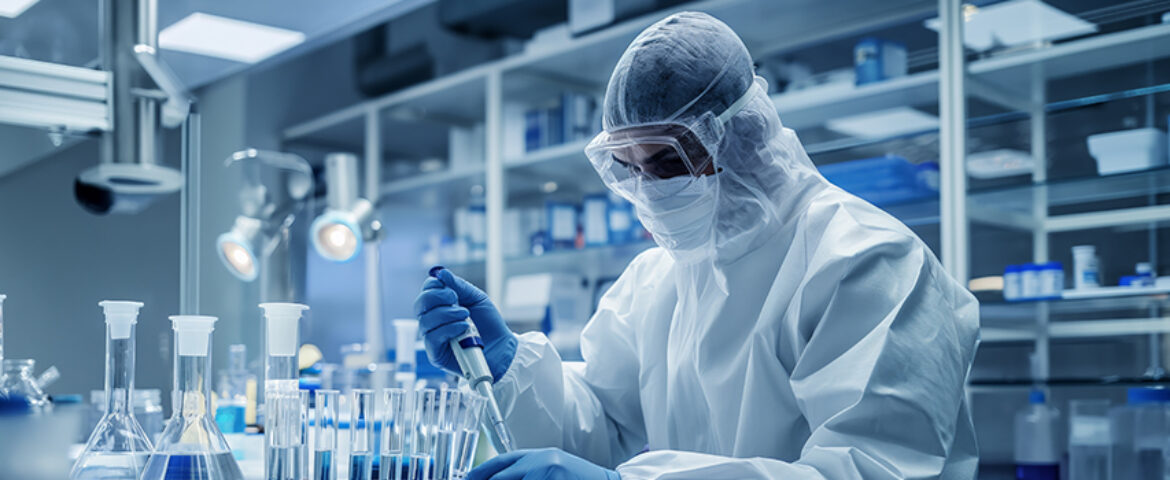


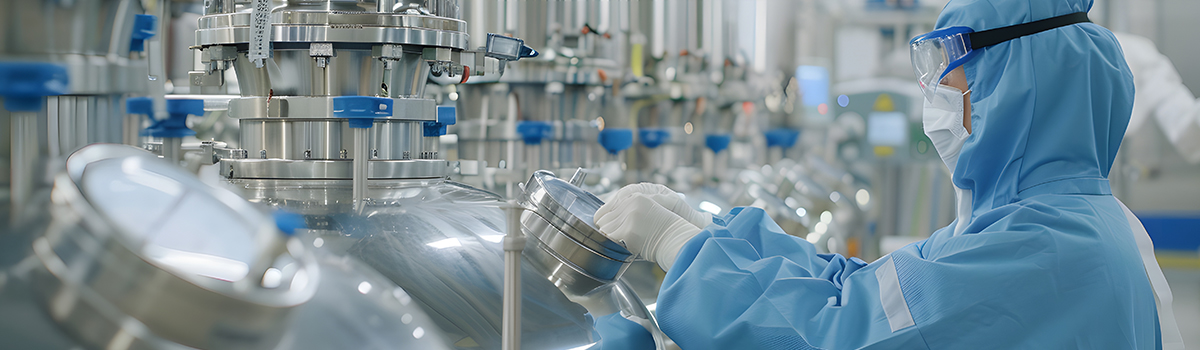
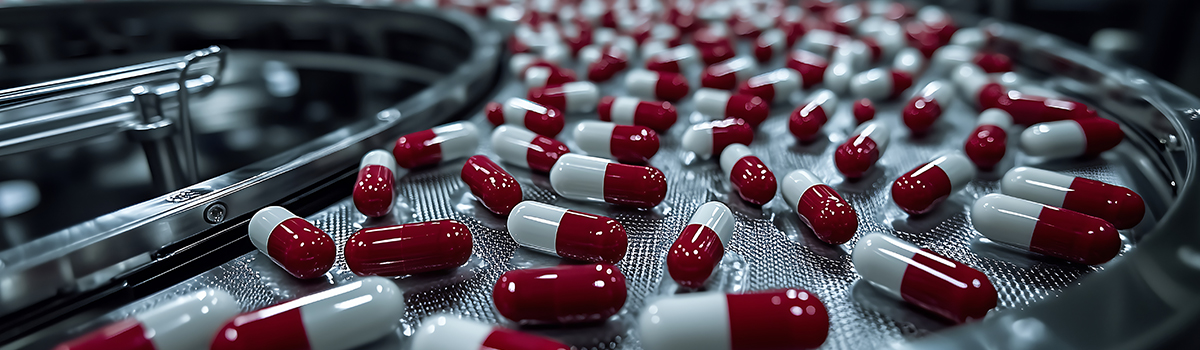







Isopropyl Alcohol (IPA) plays a far more central role in pharmaceutical manufacturing than just cleaning and disinfection; it is deeply integrated into processes that define the quality, appearance, stability, and performance of oral solid dosage (OSD) forms, especially tablet coating and solid dose formation. Because IPA comes into direct contact with excipients, coating polymers, pigments, […]