

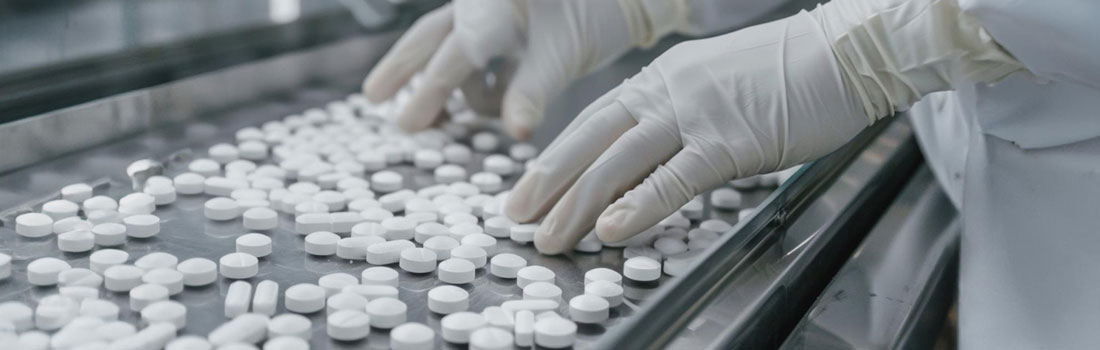
Isopropyl Alcohol (IPA) is an important processing solvent used in pharmaceutical tablet coating. It can help dissolve or disperse coating materials and, because of its relatively fast evaporation, support efficient drying during the coating process. IPA is used in different coating systems, including formulations where moisture exposure needs to be carefully controlled.
However, selecting the right pharmaceutical-grade IPA is essential for maintaining coating quality, process consistency, and regulatory readiness. The quality of the solvent can influence coating performance, drying behaviour, residual solvent control, and overall manufacturing consistency.
For pharmaceutical manufacturers, choosing a benzene-free, pharmacopeia-grade IPA from a reliable supplier can help support consistent tablet coating processes while addressing stringent quality and documentation requirements.
Why IPA Quality Matters in Tablet Coating
Tablet coating is an important pharmaceutical manufacturing step. It can improve tablet appearance, help protect the drug product, mask taste, improve handling properties, and support modified or controlled drug release depending on the coating system.
The solvent used in the coating formulation contributes to the behaviour of the coating solution and the drying process. Variations in solvent purity, moisture content, or impurities can potentially affect:
• Coating solution properties
• Drying time
• Film formation
• Coating uniformity
• Residual solvent levels
• Batch-to-batch consistency
Using pharmaceutical-grade IPA with controlled quality characteristics can therefore support more predictable coating performance.
Key Factors When Choosing IPA for Pharmaceutical Tablet Coating
1. Benzene-Free Quality
Benzene is a substance of significant toxicological and regulatory concern. For pharmaceutical manufacturing, controlling benzene contamination in solvents is therefore important.
Purosolv manufactures IPA through the propylene route and states that this process avoids the use of benzene in the production facility. Purosolv describes its IPA as benzene-free and ND grade, with its product portfolio aligned with major pharmacopeial standards.
Choosing benzene-free IPA can help pharmaceutical manufacturers strengthen solvent quality control and reduce concerns associated with benzene contamination.
2. High Purity
Purity is one of the most important considerations when selecting IPA for tablet coating.
A high-purity solvent can help minimise unwanted substances that could influence coating formulation, drying behaviour or the quality of the finished pharmaceutical product.
Manufacturers should select IPA supported by appropriate quality specifications and analytical testing to ensure that the material is suitable for its intended pharmaceutical application.
3. Consistent Coating Performance
Consistency is important when tablet coating is carried out across multiple batches.
IPA can influence solvent evaporation, coating solution characteristics and the drying stage. Research has demonstrated that solvent composition and processing conditions can influence film-coating behaviour and finished tablet characteristics.
Consistent IPA quality can therefore help manufacturers maintain:
• Predictable coating behaviour
• Consistent drying
• Uniform film formation
• Reduced process variability
• Reproducible manufacturing outcomes
4. Regulatory Compliance
Pharmaceutical solvents need to meet applicable quality and regulatory requirements.
IPA is listed as a Class 3 solvent under ICH Q3C, meaning it belongs to the category of solvents considered to have relatively low toxic potential compared with higher-risk solvent classes. Residual solvent levels must nevertheless be appropriately controlled in pharmaceutical products.
Manufacturers should also consider the availability of relevant documentation, including:
• Certificate of Analysis (CoA)
• Product specifications
• Safety Data Sheet (SDS)
• Batch traceability records
• Regulatory and pharmacopeial documentation
Comprehensive documentation supports supplier qualification, audits, inspections, and quality assurance activities.
5. Batch-to-Batch Consistency
Consistent solvent quality is essential for reliable pharmaceutical manufacturing.
Variations in IPA purity, water content, or impurity levels can potentially affect coating performance and residual solvent results.
A dependable IPA supplier can help manufacturers maintain:
• Stable coating processes
• Predictable product quality
• Reduced process variability
• Greater manufacturing confidence
Consistent raw-material quality also supports process validation and ongoing commercial production.
6. Reliable Supply
An uninterrupted supply of pharmaceutical-grade IPA is important for maintaining production schedules.
Tablet coating is part of a larger manufacturing workflow, and interruptions in the availability of a critical solvent can affect production planning and operational continuity.
Working with a reliable supplier can help manufacturers maintain inventory planning, production schedules, quality documentation and supply continuity.
Safe Handling and Storage
IPA is a flammable solvent and should be handled and stored according to established safety procedures and applicable regulatory requirements.
Manufacturers should ensure:
• Storage in suitable approved containers
• Adequate ventilation
• Appropriate fire-safety controls
• Proper handling procedures
• Appropriate personal protective equipment (PPE)
• Trained personnel
• Compliance with workplace safety requirements
Following appropriate handling and storage practices helps protect personnel while maintaining solvent quality and product integrity.
Managing Residual IPA in Tablet Coating
Although IPA can evaporate relatively quickly during coating, manufacturers still need to control residual solvent levels in the finished pharmaceutical product.
Residual IPA can be influenced by factors such as:
• Solvent composition
• Spray rate
• Inlet temperature
• Airflow
• Tablet-bed temperature
• Drying time
• Coating formulation
• Equipment configuration
Effective drying and validated process conditions help manufacturers achieve appropriate residual solvent levels. Analytical testing can then be used to verify that the finished product meets established specifications.
Good process control is therefore as important as solvent quality when using IPA in tablet coating.
Why Purosolv is a Trusted Choice
Purosolv supplies pharmaceutical-grade IPA designed to support demanding pharmaceutical manufacturing applications. Its portfolio includes IPA certified to major pharmacopeial standards, including IP, EP, BP, USP, CP and JP.
1. Benzene-Free IPA
Purosolv manufactures IPA through the propylene route and positions this process as a way to avoid benzene exposure during production. The company states that its IPA is benzene-free and available as a pharmacopeia-grade product.
2. Consistent Product Quality
Purosolv focuses on controlled solvent quality for pharmaceutical applications, helping manufacturers support consistent formulation and processing performance.
3. Comprehensive Documentation
Purosolv provides quality and regulatory documentation to support traceability, audits, inspections, and pharmaceutical quality requirements. Its pharmaceutical solvent portfolio is designed around pharmacopeial compliance and controlled specifications.
4. Reliable Supply Chain
A dependable supply network helps pharmaceutical manufacturers maintain production continuity and operational stability. Purosolv offers pharmaceutical-grade IPA in multiple pack and bulk formats to support different manufacturing requirements.
Conclusion
Choosing the right IPA for pharmaceutical tablet coating requires careful consideration of purity, benzene control, coating performance, regulatory compliance, batch-to-batch consistency, residual solvent management, and supply reliability.
Benzene-free, pharmacopeia-grade IPA can support pharmaceutical manufacturers in maintaining controlled coating processes while strengthening solvent quality assurance and regulatory readiness.
By selecting a reliable pharmaceutical solvent supplier such as Purosolv, manufacturers can support consistent tablet coating, controlled solvent performance, comprehensive documentation, and dependable supply throughout their manufacturing operations.
Frequently Asked Questions (FAQs)
1. Why is IPA used in pharmaceutical tablet coating?
IPA can act as a solvent in tablet coating formulations, helping dissolve or disperse coating materials and supporting efficient evaporation during the drying stage.
2. Why is benzene-free IPA important for pharmaceutical manufacturing?
Benzene is a substance of significant toxicological concern. Using benzene-free IPA can help manufacturers reduce concerns associated with benzene contamination and strengthen solvent quality control.
3. What should manufacturers consider when selecting IPA for tablet coating?
Key factors include purity, benzene control, impurity profile, pharmacopeial compliance, batch-to-batch consistency, documentation, residual solvent management, and supplier reliability.
4. Is IPA regulated as a residual solvent?
Yes. IPA is included as a Class 3 solvent under ICH Q3C. Manufacturers must still appropriately control residual IPA levels in pharmaceutical products.
5. Why choose Purosolv Benzene-Free IPA?
Purosolv offers pharmacopeia-grade IPA manufactured through the propylene route and states that its IPA is benzene-free. Its products are available in major pharmacopeial grades, supported by quality documentation and supply capabilities for pharmaceutical manufacturers.