

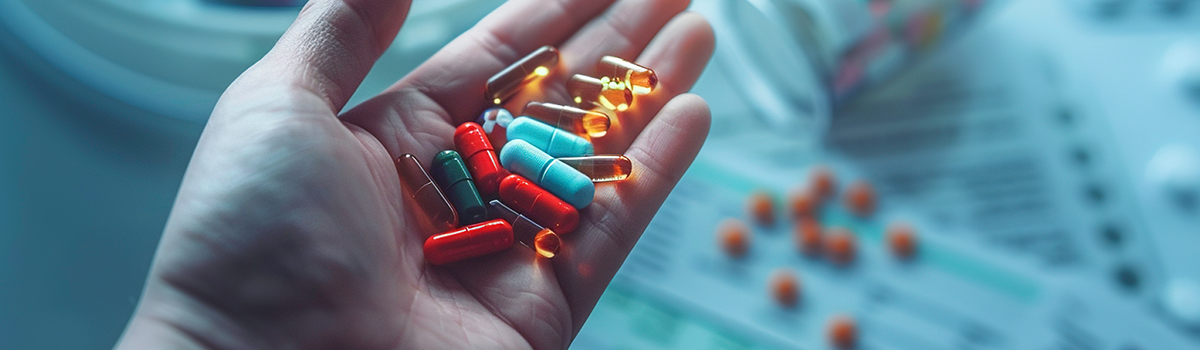
Tablet coating is a crucial step in pharmaceutical manufacturing. It improves the stability, appearance, and functionality of tablets while also protecting the active pharmaceutical ingredient (API). In many cases, aqueous (water-based) coating systems are preferred because they are safer and more environmentally friendly. However, aqueous coatings are not always suitable especially when dealing with moisture-sensitive drugs.
In such situations, pharmaceutical manufacturers often turn to MDC (Methylene Dichloride) as an alternative solvent. MDC offers excellent performance in coating processes where moisture must be avoided. Its unique properties help ensure consistent coating quality and protect sensitive drug formulations.
The Challenge of Moisture-Sensitive Drug Formulations
Some pharmaceutical ingredients are highly sensitive to moisture. Exposure to water during the coating process can cause several issues, including:
• Degradation of the active pharmaceutical ingredient
• Reduced drug stability and shelf life
• Changes in tablet hardness or structure
• Poor coating adhesion or defects
For these formulations, aqueous coating systems may lead to product instability or reduced effectiveness. As a result, manufacturers must explore non-aqueous solvent systems that can deliver the required coating performance without introducing moisture.
Why MDC is Used in Tablet Coating
Methylene Dichloride (MDC), also known as dichloromethane, is widely used in pharmaceutical coating processes due to its excellent solvent properties.
Key advantages of MDC include:
• Strong solvency for many pharmaceutical polymers
• Rapid evaporation during drying
• Minimal water exposure during coating
• Ability to create smooth, uniform coatings
Because MDC evaporates quickly, it helps maintain efficient coating processes while preventing moisture-related degradation of sensitive APIs.
MDC in Non-Aqueous Coating Systems
Non-aqueous coating systems are commonly used when water-based formulations cannot meet stability requirements.
In these systems, MDC acts as the primary solvent that dissolves coating polymers and other formulation components.
Common polymers used in non-aqueous coatings include:
• Ethyl cellulose
• Cellulose acetate
• Acrylic polymers
• Polyvinyl derivatives
MDC dissolves these materials effectively, allowing manufacturers to prepare coating solutions that can be evenly sprayed onto tablets.
Once applied, MDC evaporates quickly, leaving behind a thin and consistent polymer film that protects the tablet and controls drug release.
Benefits of MDC for Moisture-Sensitive Products
Using MDC in pharmaceutical coating provides several important advantages for moisture-sensitive formulations.
1. Protection from Moisture
Because MDC-based systems do not rely on water, they prevent moisture from interacting with sensitive APIs.
2. Faster Processing
MDC has a relatively low boiling point, allowing it to evaporate quickly and reduce drying time during coating.
3. Improved Coating Uniformity
Its excellent solvency ensures polymers dissolve completely, producing smooth and consistent coatings.
4. Stable Product Performance
Non-aqueous coatings can improve the stability and shelf life of moisture-sensitive drug products.
These advantages make MDC a valuable solvent in specialised pharmaceutical coating applications.
Residual Solvent Control
Although MDC is effective in non-aqueous coating systems, it must be carefully managed because it is classified as a Class 2 solvent under international regulatory guidelines.
According to ICH Q3C guidelines, Class 2 solvents have stricter limits due to potential toxicity. Pharmaceutical manufacturers must therefore ensure that MDC levels are reduced to acceptable limits before the product reaches the market.
Key control measures include:
• Optimised drying conditions during coating
• Validated analytical testing methods
• Routine batch monitoring
• Strict documentation and compliance procedures
Analytical techniques such as gas chromatography are typically used to measure residual solvent levels and confirm compliance with regulatory standards.
Process Safety and Environmental Controls
MDC is a volatile solvent and requires careful handling in pharmaceutical manufacturing facilities.
Manufacturers must implement several safety measures, including:
• Proper ventilation systems
• Solvent vapour monitoring
• Controlled solvent storage and handling
• Personal protective equipment for operators
In addition, environmental regulations require manufacturers to control solvent emissions and ensure safe disposal or recovery of solvent vapours.
These precautions help protect workers, maintain regulatory compliance, and minimise environmental impact.
Importance of High-Purity Solvents
When using organic solvents such as MDC in pharmaceutical manufacturing, solvent quality becomes critically important.
Impurities or variations in solvent purity can affect:
• Polymer dissolution
• Coating consistency
• Residual solvent levels
• Product stability
Using high-purity pharmaceutical solvents ensures predictable coating performance and reliable manufacturing outcomes.
Regulatory authorities also expect manufacturers to maintain proper documentation of solvent specifications, quality testing, and supplier qualification.
How Purosolv Supports Pharmaceutical Manufacturers
Reliable solvent supply is essential for pharmaceutical coating operations.
Purosolv pharmaceutical-grade solvents, including MDC, are manufactured to meet stringent pharmacopeia standards such as:
• BP
• USP
• EP
Purosolv supports pharmaceutical manufacturers in several ways.
1. Consistent High Purity
Carefully controlled impurity levels ensure stable solvent performance in coating formulations.
2. Reliable Manufacturing Performance
High-quality solvents support predictable polymer dissolution and uniform tablet coatings.
3. Regulatory Documentation
Comprehensive quality documentation simplifies regulatory inspections and compliance requirements.
4. Trusted Supply Chain
A dependable supply of pharmaceutical-grade solvents helps manufacturers maintain consistent production.
By using Purosolv solvents, pharmaceutical companies can improve both manufacturing reliability and regulatory compliance.
Future Trends in Moisture-Sensitive Coating
Pharmaceutical technology continues to evolve, and new approaches are being developed to handle moisture-sensitive formulations more effectively.
Some emerging trends include:
• Improved solvent recovery systems
• Advanced coating equipment with precise control
• Development of hybrid solvent systems
• Greater focus on green chemistry solutions
Even with these innovations, solvents such as MDC will remain important for specialised applications where aqueous systems are not suitable.
Conclusion
While aqueous coating systems are widely used in pharmaceutical manufacturing, they are not always suitable for moisture-sensitive drug formulations. In such cases, MDC provides an effective alternative, enabling manufacturers to apply protective coatings without exposing sensitive APIs to water.
Its strong solvency, rapid evaporation, and ability to produce uniform coatings make MDC an essential solvent in specialised tablet coating processes.
By combining well-designed coating systems with high-quality pharmaceutical solvents such as Purosolv MDC, manufacturers can ensure stable product performance, regulatory compliance, and reliable pharmaceutical production.
Frequently Asked Questions (FAQs)
1. Why are aqueous coatings not suitable for some tablets?
Some active pharmaceutical ingredients are sensitive to moisture, which can cause degradation or instability.
2. What is MDC in pharmaceutical manufacturing?
MDC (Methylene Dichloride) is an organic solvent used in non-aqueous coating systems.
3. Is MDC safe to use in drug manufacturing?
Yes, when used within regulated limits and properly removed during processing.
4. How are residual MDC levels tested?
Residual solvent levels are typically measured using gas chromatography.
5. How does Purosolv support pharmaceutical manufacturers?
Purosolv provides high-purity pharmaceutical-grade solvents with consistent quality, regulatory documentation, and reliable supply.