

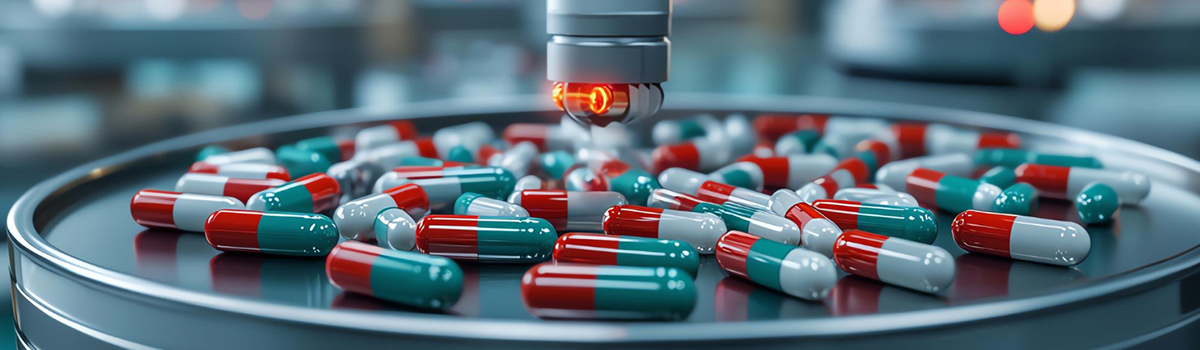
Isopropyl Alcohol (IPA) is widely used in pharmaceutical tablet coating due to its excellent solvency, fast evaporation, and ability to produce smooth, uniform coatings. However, the use of IPA also brings several regulatory challenges that manufacturers must carefully manage. From residual solvent limits to fire safety and documentation requirements, compliance plays a critical role in ensuring both product quality and patient safety.
Understanding these regulatory challenges is essential for pharmaceutical manufacturers using IPA in tablet coating operations.
Why IPA is Used in Tablet Coating
IPA is commonly selected as a solvent in tablet coating formulations for several practical reasons.
Key advantages include:
• Strong solvency for coating polymers
• Fast evaporation, leading to shorter drying times
• Reduced moisture exposure compared to water
• Improved coating uniformity and appearance
Because IPA evaporates quickly, it supports efficient coating processes and helps prevent moisture-related stability issues. However, these same properties also increase regulatory scrutiny.
Regulatory Framework Governing IPA Use
Regulatory authorities allow the use of IPA in pharmaceutical manufacturing, but only under strict controls.
Key regulatory expectations include:
• Classification of IPA as a controlled organic solvent
• Defined residual solvent limits as per ICH guidelines
• Validated removal during processing
• GMP-compliant handling, storage, and documentation
Manufacturers must demonstrate that IPA is effectively removed from coated tablets and does not pose a risk to patients.
Residual Solvent Limits and Compliance
One of the main regulatory challenges in IPA tablet coating is controlling residual solvent levels.
Regulators require that:
• Residual IPA remains below permitted daily exposure limits
• Analytical testing methods are validated
• Samples are representative of the entire batch
• Results are documented and reviewed
Incomplete drying or uneven coating can result in elevated residual solvent levels, leading to batch rejection or regulatory observations.
Importance of Solvent Quality in Regulatory Compliance
While process control is critical, solvent quality also plays an important role in meeting regulatory expectations.
Variations in IPA purity, moisture content, or impurity profile can affect:
• Drying behaviour
• Residual solvent test results
• Coating consistency
• Batch-to-batch reproducibility
Purosolv IPA, manufactured to pharmacopeia standards (IP, JP, CP, BP, USP & EP), is designed for regulated pharmaceutical applications. Its controlled purity profile supports predictable evaporation and consistent coating performance, helping manufacturers maintain regulatory compliance.
Fire and Explosion Safety Regulations
IPA is a flammable solvent, making safety compliance a major regulatory focus during tablet coating.
Key safety requirements include:
• Explosion-proof coating equipment
• Proper grounding and earthing
• Controlled airflow and vapour exhaust
• Monitoring of solvent vapour concentration
Regulatory agencies closely inspect fire prevention measures, particularly in spray coating systems where IPA vapours are continuously generated.
Environmental and Emissions Compliance
IPA use also raises environmental compliance considerations.
Manufacturers must manage:
• Solvent vapour emissions
• Ventilation system efficiency
• Solvent recovery or abatement systems
• Compliance with local environmental regulations
Failure to control IPA emissions can lead to regulatory penalties and environmental non-compliance.
Validation of IPA Coating Processes
Process validation is a key regulatory requirement when using IPA in tablet coating.
Validation must demonstrate:
• Consistent coating performance
• Effective solvent removal
• Reproducible drying profiles
• Control under worst-case conditions
Changes in formulation, equipment, or solvent source may require revalidation to ensure continued compliance.
Role of Documentation and Traceability
Regulatory compliance relies heavily on proper documentation.
Important records include:
• IPA specifications and certificates of analysis
• Batch usage records
• Coating and drying parameters
• Residual solvent test results
• Deviations and corrective actions
Using pharmacopeia-grade IPA (IP, JP, CP, BP, USP & EP) such as Purosolv, supported by comprehensive quality documentation, helps simplify audits, inspections, and regulatory submissions.
Operator Training and Regulatory Expectations
Even well-designed systems can fail without trained personnel.
Regulatory bodies expect operators to understand:
• IPA handling risks
• Emergency procedures
• Coating process parameters
• Alarm systems and safety interlocks
Regular training and refresher programmes reduce human error and support compliance.
Managing Change Control and Supplier Qualification
Any change related to IPA use can trigger regulatory review.
This includes changes in:
• IPA supplier
• Grade or specification
• Storage or handling methods
• Coating equipment
Using a consistent, qualified supplier such as Purosolv helps reduce variability and supports smoother change control processes.
Why Regulatory Challenges Persist with IPA
Despite its benefits, IPA remains under strict regulatory oversight because of:
• Its flammability
• Potential patient exposure
• Environmental impact
• Process variability risks
Manufacturers must balance efficiency with compliance at every stage of tablet coating.
Future Regulatory Trends in IPA Coating
Regulatory expectations continue to evolve.
Future focus areas may include:
• Tighter emission controls
• Enhanced solvent recovery systems
• Greater emphasis on supplier quality
• Increased digital documentation and data integrity
Manufacturers who invest in robust processes and high-quality solvents will be better prepared for these changes.
Conclusion
IPA plays a critical role in tablet coating by enabling efficient processing, high-quality finishes, and reduced moisture exposure. However, its use brings significant regulatory challenges related to residual solvents, safety, environmental control, and documentation.
Addressing these challenges requires validated processes, trained personnel, and consistent solvent quality. Purosolv pharmacopeia-grade IPA (IP, JP, CP, BP, USP & EP), produced under stringent quality and compliance standards, supports pharmaceutical manufacturers in maintaining predictable coating performance, meeting regulatory requirements, and ensuring patient safety.
When used responsibly within controlled and validated systems, IPA remains a reliable and effective solvent for modern tablet coating operations.
Frequently Asked Questions (FAQs)
1. Why is IPA regulated in tablet coating?
Because it is flammable and may leave residual solvent if not properly removed.
2. What are the main regulatory risks of IPA use?
Residual solvent limits, fire safety, emissions, and documentation gaps.
3. Does solvent quality affect regulatory compliance?
Yes. Consistent, pharmacopeia-grade IPA supports predictable processing and testing.
4. Is IPA allowed in finished tablets?
No. It must be removed during processing to meet regulatory limits.
5. How can manufacturers reduce regulatory risk with IPA?
Through validated processes, proper safety controls, trained operators, and reliable solvent sourcing.